If you’ve been thinking about straightening your teeth but the idea of traditional metal braces does not appeal to you, Invisalign treatment might be worth exploring.
Clear, removable, and designed to fit around your lifestyle. It’s no surprise that Invisalign has become one of the most popular orthodontic options in Australia.
But how does Invisalign work, exactly? This step-by-step guide walks you through the entire Invisalign treatment process, from your first consultation through to your final retainer.
What Is Invisalign?
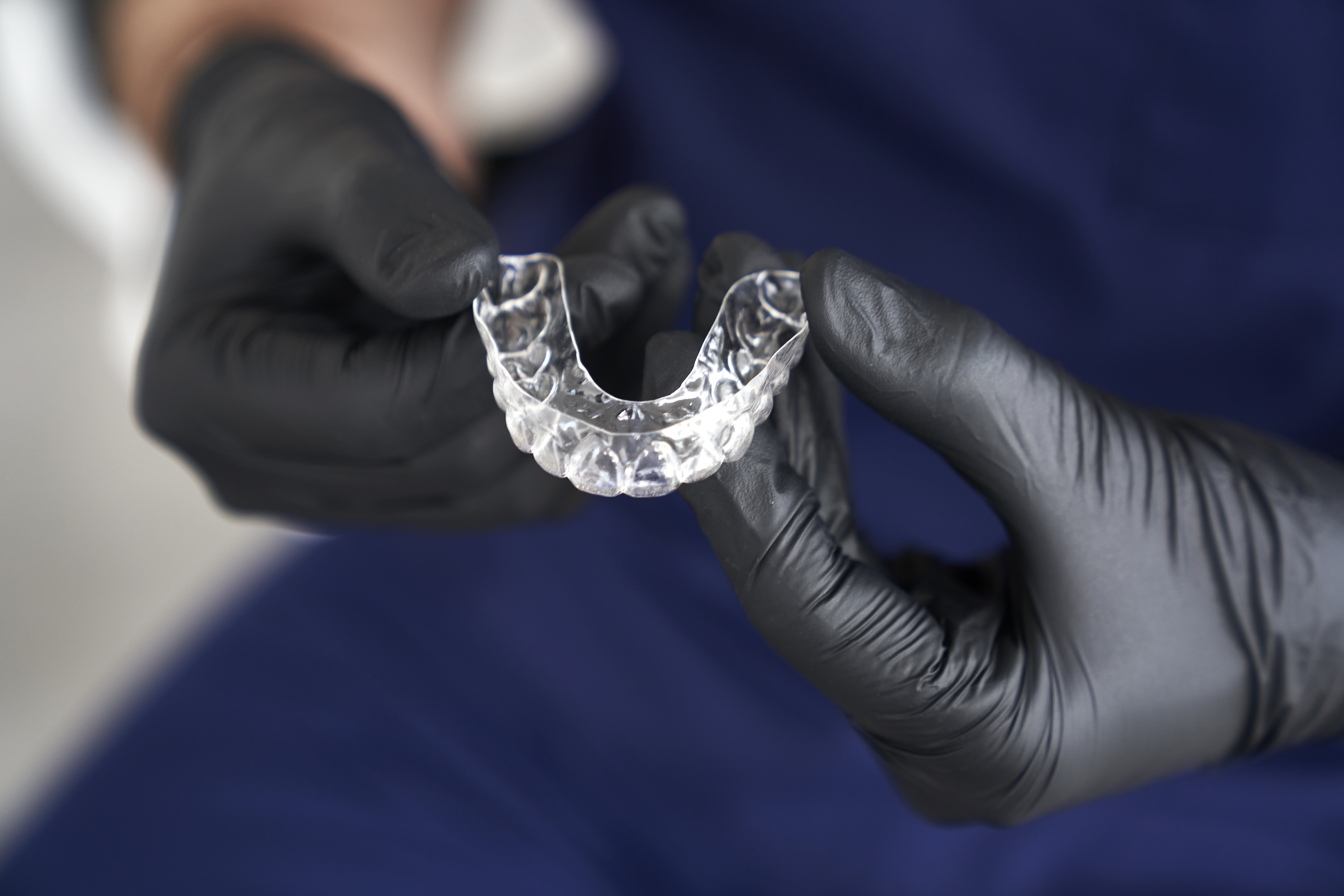
Invisalign is a teeth-straightening system that uses a series of custom-made, clear plastic aligners to gradually shift your teeth into their correct position. Unlike traditional braces, there are no metal brackets or wires involved. The aligners are virtually invisible when worn and can be removed for eating, drinking, and cleaning your teeth.
Invisalign is suitable for treating a range of concerns, including mild to moderate crowding, spacing issues, and certain bite problems. Your Invisalign provider will have to assess your teeth first to determine whether it is the right option for your situation.
The Invisalign Treatment Process: Step by Step
Step 1: Initial Consultation
The process begins with a consultation with your Invisalign provider. During this appointment, your dentist will examine your teeth, discuss your smile goals, and assess whether Invisalign treatment is suitable for you. Digital scans or impressions of your teeth may be taken at this stage.
Step 2: Your Custom Treatment Plan
Using advanced 3D imaging technology, your dentist maps out a precise treatment plan showing how your teeth are expected to move at each stage. You may even be able to see a projected Invisalign before and after viewing your smile before treatment begins.
This plan is then used to create your custom series of aligners.
Step 3: Receiving Your Aligners
Once your aligners are ready, you will come in to collect your first set and receive instructions on how to wear and care for them. Your dentist will also explain what to expect throughout the process, including any initial Invisalign pain and discomfort as your teeth begin to adjust.
Step 4: Wearing Your Aligners
This is where the real work happens.
Each set of aligners is worn for about one to two weeks before you move on to the next set in the series. For the treatment to work effectively, aligners should be worn for 20 to 22 hours per day, only removed for eating, drinking anything other than water, and brushing your teeth.
Step 5: Invisalign Attachments and Buttons
Depending on your treatment plan, your dentist may attach small tooth-coloured dots to certain teeth. These are called Invisalign attachments or buttons, and they help the aligners grip the teeth more effectively to achieve more complex movements.
They are designed to blend in with your natural tooth colour and are removed once treatment is complete.
Step 6: Progress Check-Ups
Throughout your Invisalign treatment, you will also need to go on regular check-up appointments with your dentist, typically every six to eight weeks, or whenever needed.
These visits allow your provider to monitor your progress, ensure your teeth are moving as planned, and hand over your next set of aligners.
Step 7: Invisalign Retainers After Treatment
Once you’ve worked through your full series of aligners, your treatment is not quite finished.
To maintain your results, you will need to wear Invisalign retainers after treatment. Retainers help keep your teeth in their new position and prevent them from gradually shifting back over time. Your dentist will also advise on how often and how long to wear them.
How Long Does Invisalign Take?
One of the most common questions people ask is how long does Invisalign take. Treatment length varies depending on the complexity of your case, but most patients can expect their Invisalign treatment to take anywhere from 6 to 18 months.
To give you a clearer picture of your case, your dentist will give you a more accurate estimate once your treatment plan has been mapped out.
Invisalign vs Braces: What’s the Difference?
When comparing Invisalign vs braces, a few key differences stand out. Invisalign aligners are removable and nearly invisible, making them a popular choice for adults and older teens who want a more discreet option.
Traditional braces, on the other hand, are fixed to the teeth and can be more effective for complex orthodontic cases.
The right choice depends on your individual needs, lifestyle, and the recommendation of your dentist. Both options can achieve excellent results when used appropriately.
Invisalign Trays: How Often to Change Them?
Invisalign trays are typically changed every one to two weeks, following the schedule set out in your treatment plan. It’s important not to rush ahead or fall behind because each tray is designed to move your teeth a specific amount before the next one takes over.
Your dentist will confirm the right schedule for your individual treatment.
Start Your Invisalign Journey with the Right Information
Whether you’re just starting to explore your options or you’re ready to take the next step, understanding how the Invisalign treatment process works is a great place to begin.
If you’re not yet sure if Invisalign is the right option for you, the next best step for you is to have a consultation with a qualified dentist. For patients in and around Sunbury, VIC, Vineyard Dental Clinic is here to guide and support you through your journey.
Discover what’s best for you by consulting with our dentists to map out your smile.
Frequently Asked Questions
Is Invisalign treatment painful?
Some patients experience mild Invisalign pain and discomfort, particularly in the first few days of wearing a new set of aligners. This is a sign that the aligners are working and your teeth are beginning to move.
The discomfort is generally described as a feeling of pressure rather than sharp pain, and it typically settles within a day or two.
How long do I need to wear my Invisalign aligners each day?
For the best results, Invisalign aligners should be worn for 20 to 22 hours per day. They should only be removed for eating, drinking anything other than water, and your oral hygiene routine. Wearing them for fewer hours than recommended can slow down your progress and extend your overall treatment time.
Can I eat and drink with Invisalign aligners in?
You should remove your aligners before eating or drinking anything other than plain water. Food and coloured drinks can stain the aligners and may also damage them. After eating, it’s a good idea to brush your teeth before putting your aligners back in.
What are Invisalign attachments?
Invisalign attachments are small tooth-coloured dots bonded to specific teeth to help the aligners achieve more precise movements. Not everyone needs them, which is why regular dental visits are also important.
Your dentist will let you know whether attachments are part of your treatment plan.
How long do I need to wear retainers after Invisalign?
Retainer wear varies from patient to patient, but most people are advised to wear their Invisalign retainers after treatment every night initially, then gradually reduce to a few nights per week. Your dentist will give you specific instructions based on your case.
Wearing your retainer consistently is important to protect the results you’ve worked hard to achieve.
Is Invisalign suitable for everyone?
Invisalign is effective for a wide range of mild to moderate orthodontic concerns, but it may not be suitable for every case. Severe crowding, significant bite issues, or other complex conditions may require a different approach.
The best way to find out if Invisalign is right for you is to book a consultation with a qualified Invisalign provider.