Do you often wake up with a dull, throbbing headache? Or perhaps you find yourself clenching your jaw tightly during the day, especially when you’re feeling stressed? If so, you might be experiencing bruxism, a common condition where you grind, clench, or gnash your teeth. While it might seem like a harmless habit, bruxism can have a surprising impact on your overall health, particularly by causing persistent and uncomfortable headaches.
In Australia, many people live with this condition without even realising it, but understanding the link between bruxism and headaches is the first step towards finding relief and protecting your pearly whites.
What is Bruxism?
Simply put, bruxism is the medical term for grinding or clenching your teeth. It can happen during the day when you’re awake (called awake bruxism) or, more commonly, at night while you’re asleep (known as sleep bruxism). Many people aren’t even aware they do it, especially if it happens while they’re catching Zs.
Awake bruxism often occurs subconsciously when people are concentrating, feeling stressed, anxious, or angry. Think about clenching your jaw during a tough work meeting or when stuck in traffic. Sleep bruxism, on the other hand, is an involuntary movement disorder related to sleep and can involve rhythmic grinding or non-rhythmic clenching. It’s quite common, affecting a significant portion of the population, including kids, although many outgrow it.
How Bruxism Leads to Headaches
The connection between teeth grinding and headaches lies in the intense pressure and strain it puts on your jaw muscles, known as the masticatory muscles. These muscles are located around your jaw, face, and temples. When you grind or clench your teeth, especially for prolonged periods, these muscles become overworked and tense.
Imagine doing bicep curls all night long – your arm muscles would be incredibly sore and tired in the morning, right? It’s a similar idea to your jaw muscles. This constant overactivity can lead to:
- Muscle Overload and Tension: The sustained contraction of jaw muscles leads to tension, which then radiates to surrounding areas like your temples, forehead, and even your neck and shoulders. Your brain interprets this widespread muscle tension as a headache.
- Lactic Acid Buildup: Just like any other overworked muscle, lactic acid can accumulate in your jaw muscles, contributing to soreness and pain.
- Temporomandibular Joint (TMJ) Strain: The TMJ is the hinge-like joint that connects your jawbone to your skull. Bruxism puts immense stress on this joint, leading to inflammation, pain, and sometimes a clicking or popping sound when you move your jaw. This TMJ dysfunction can directly cause headaches.
- Referred Pain: The pain from your strained jaw muscles and TMJ doesn’t always stay localised. It can “refer” or travel to other parts of your head and face, making you feel pain in your temples, forehead, behind your eyes, or even your ears.
- Nerve Irritation: The nerves in your head and face are closely intertwined with your jaw muscles and joints. When these muscles are tense or inflamed, they can irritate these nerves, further contributing to headache pain.
For many, the headaches caused by bruxism are most severe in the morning, as the grinding typically happens during sleep. You might wake up with a dull ache that gradually improves as the day goes on and your jaw muscles relax.
Symptoms of Bruxism and Associated Headaches
Recognising the signs of bruxism and its associated headaches is key to getting the right treatment. Many people aren’t aware they grind their teeth, so these symptoms can be crucial clues:
- Headaches: Often described as a dull, constant ache or pressure. These can be:
- Morning Headaches: Waking up with a headache is a common indicator of sleep bruxism.
- Tension-Type Headaches: A feeling of a “tight band” around your head, affecting the temples, forehead, or back of the head.
- Migraine-like Headaches: While bruxism doesn’t directly cause migraines, the intense muscle tension and referred pain can act as a trigger or worsen migraine attacks in those prone to them.
- Jaw Pain or Tenderness: Your jaw muscles might feel sore, stiff, or tired, especially when you wake up.
- Facial Pain: General aches and pains in your face, particularly around the cheeks and temples.
- Worn or Flattened Teeth: Your dentist, like dentists Gisborne VIC might notice unusual wear and tear on your teeth, or you might notice them looking shorter or chipped.
- Tooth Sensitivity: Increased sensitivity to hot, cold, or sweet foods due to worn enamel.
- Earaches: Even though your ears aren’t directly affected, the pressure from grinding can cause pain that feels like an earache.
- Clicking or Popping Jaw: Sounds from your temporomandibular joint when you open or close your mouth.
- Neck and Shoulder Tension: Muscle tension can extend down into your neck and shoulders, making headaches worse.
- Sleep Disruption: While bruxism itself can disrupt sleep, the pain and discomfort it causes can also lead to restless nights and daytime fatigue.
The Link Between Teeth Grinding and Tension Headaches
The relationship between tension headaches and teeth grinding is particularly strong and well-documented. Tension headaches are one of the most common types of headaches, characterised by mild to moderate pain that feels like constant pressure or a tight band around the head. They are often caused by muscle tension in the head and neck.
When you clench or grind your teeth, you are constantly activating the very muscles that, when tense, cause these types of headaches. The repetitive and forceful movements of bruxism lead to chronic muscle tension in the jaw, face, and temples. This sustained muscle contraction is a direct pathway to developing tension headaches. Studies have even shown that people with awake bruxism are significantly more likely to experience tension headaches compared to those without the condition. The pain can linger for hours or even days, making daily life quite uncomfortable.
Treating Bruxism to Prevent Headaches
The good news is that there are effective ways to manage bruxism treatment and alleviate the associated headaches. A multi-faceted approach often works best, combining dental interventions, lifestyle adjustments, and sometimes professional therapies.
One of the most common and effective treatments is a custom-fitted mouthguard or nightguard. These clear, plastic appliances are worn over your teeth, usually at night, and act as a protective barrier. They prevent your upper and lower teeth from grinding against each other, reducing wear on your enamel and significantly lessening the strain on your jaw muscles. This cushioning effect can dramatically decrease the likelihood of waking up with a headache.
Beyond mouthguards, dental correction might be necessary if bruxism has caused significant tooth damage, leading to sensitivity or difficulty chewing. This could involve reshaping chewing surfaces or using crowns to repair teeth.
Lifestyle Changes to Manage Bruxism and Headaches
Making a few lifestyle adjustments can go a long way in managing bruxism and preventing headaches:
- Stress Management: Stress and anxiety are major triggers for bruxism, especially awake bruxism. Incorporating stress-reducing techniques into your daily routine can make a big difference. Try activities like:
- Meditation: Even a few minutes of mindfulness can help calm your nervous system.
- Yoga: Combines physical movement with breathing exercises to promote relaxation.
- Regular Exercise: A great way to release tension and improve overall well-being.
- Deep Breathing Exercises: Simple techniques can help relax your jaw muscles.
- Consider counselling or therapy if stress feels overwhelming.
- Improve Sleep Hygiene: Creating a relaxing bedtime routine can help prevent nighttime bruxism. This includes:
- Going to bed and waking up at consistent times.
- Ensuring your bedroom is dark, quiet, and cool.
- Avoiding screens (phones, tablets, TV) at least an hour before bed.
- Avoid Stimulants: Cut down on or avoid caffeine and alcohol, especially in the evening, as they can worsen clenching and grinding. If you smoke, talking to your doctor or pharmacist about quitting can also help, as nicotine is a known stimulant.
- Maintain Good Posture: Poor posture, particularly if you spend a lot of time sitting at a desk, can contribute to muscle tension in your neck and jaw. Be mindful of your posture and take regular breaks to stretch and move around.
- Be Aware of Daytime Clenching: If you realise you’re clenching during the day, try to relax your jaw consciously. You can even set reminders on your phone to check your jaw position throughout the day. Your teeth should only touch when you’re chewing or swallowing.
Professional Treatments for Bruxism
For those needing more targeted help, several professional treatments are available in Australia:
- Custom Mouthguards/Occlusal Splints: As mentioned, these are highly effective in protecting teeth and reducing muscle strain. Your dentist, like dentist Sunbury, can custom-make one for you.
- Facial Injectables: In some cases, tiny injections of muscle relaxants into the jaw muscles (like the masseter) can help reduce the intensity of clenching and grinding, providing significant relief from headaches and jaw pain. This treatment is temporary but can be very effective for severe bruxism.
- Orthodontic Care: If misaligned teeth or an improper bite are contributing to your bruxism, orthodontic treatment might be recommended to correct the alignment and improve your bite.
- Physical Therapy: A physiotherapist can provide exercises and techniques to relax jaw muscles, improve jaw movement, and address any associated neck or shoulder tension.
- Cognitive Behavioural Therapy (CBT): For bruxism linked to stress and anxiety, CBT can help you identify and change thought patterns and behaviours that contribute to the condition.
- Sleep Medicine Specialists: If your bruxism is suspected to be linked to underlying sleep disorders like sleep apnea, a sleep medicine specialist might conduct a sleep study (polysomnography) to diagnose and treat the root cause. Treating sleep apnea, for instance, can often improve sleep bruxism.
When to See a Dentist About Bruxism and Headaches
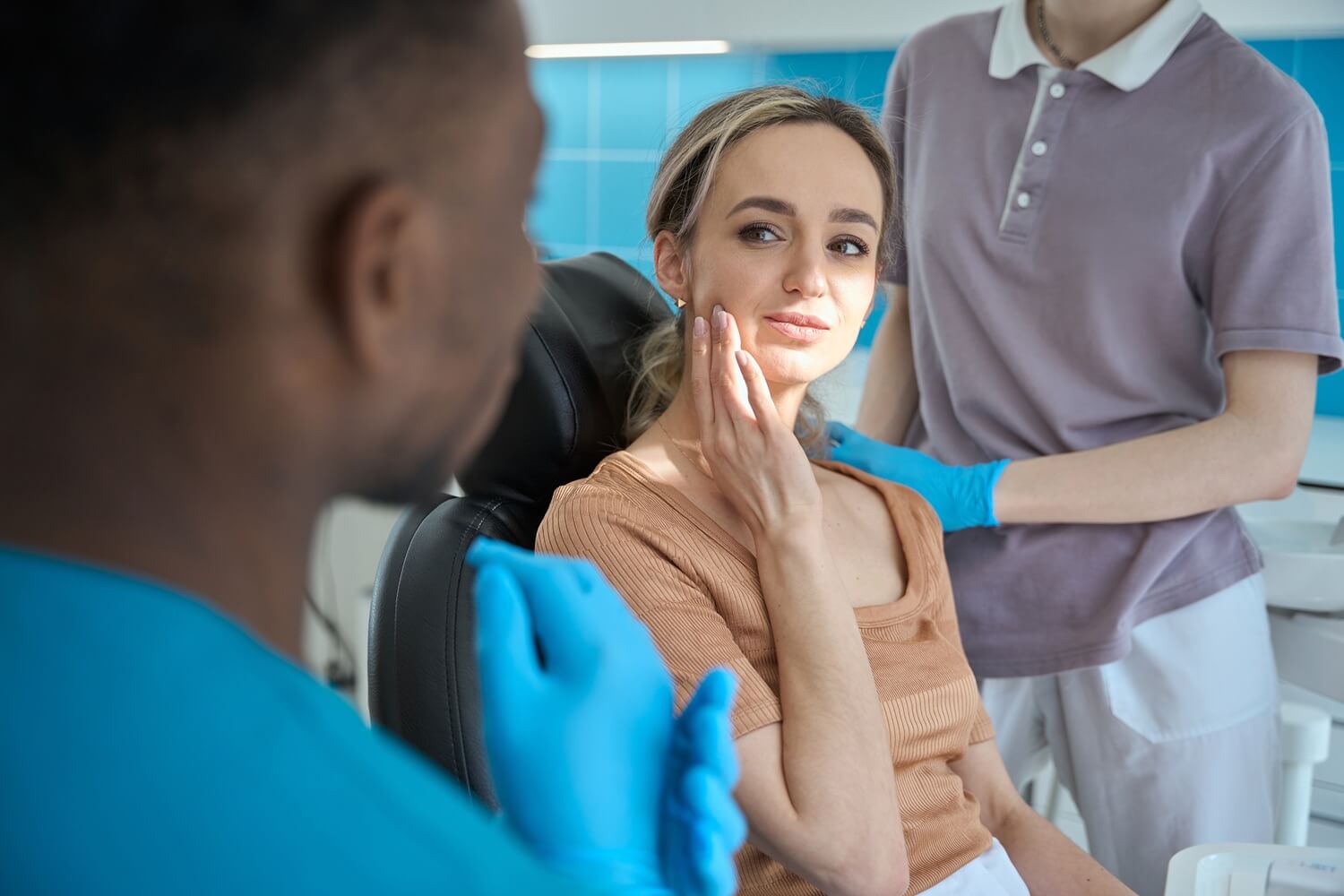
It’s important not to ignore the signs of bruxism and its associated headaches. If you experience any of the following, it’s a good idea to schedule an appointment with your dentist:
- You frequently wake up with headaches, especially dull aches around your temples or forehead.
- You notice persistent jaw pain, stiffness, or difficulty opening or closing your mouth.
- Your teeth feel sensitive, or you notice signs of wear, chipping, or flattening.
- Your sleep partner tells you that you make grinding or clicking sounds during the night.
- You’ve tried lifestyle changes, but your bruxism and headaches persist or worsen.
A dentist can examine your teeth, jaw joints, and facial muscles for signs of bruxism and recommend the most appropriate course of action. Early diagnosis and treatment can prevent more serious complications like severe tooth damage, chronic jaw disorders, and ongoing headaches.
Conclusion
Bruxism and headaches are a challenging duo, but understanding how teeth grinding impacts your health is the first step towards feeling better. The constant strain on your jaw muscles from clenching and grinding can lead to debilitating headaches, along with a host of other uncomfortable symptoms affecting your teeth, jaw, and overall well-being. By recognising the signs and seeking appropriate care, you can find effective strategies to manage bruxism, relieve your headaches, and protect your dental health. Don’t let teeth grinding get the best of you – relief is possible!
Suspecting Teeth Grinding Affects Your Daily Life?
Don’t hesitate to reach out to a dental professional at Vineyard Dental. For expert diagnosis and personalised bruxism treatment options, contact your local dental clinic.
If you’re in the area, our friendly team would be happy to help. We’re committed to providing comprehensive care to residents across the region. Take the first step towards a headache-free life – book your appointment today!