If you’ve recently had a crown or bridge placed, or you’re still considering the treatment, one of the first questions on your mind is probably how long it’s going to last. It’s a completely reasonable thing to want to know, especially when you’re making a decision about your oral health and your budget.
The straightforward answer is that dental crowns and bridges can last many years with the right care. But like most things in dentistry, the full picture is a little more nuanced than that. Here’s what you need to know.
What Are Dental Crowns and Bridges?
Before diving into longevity, it helps to quickly understand what these restorations are and what they do.
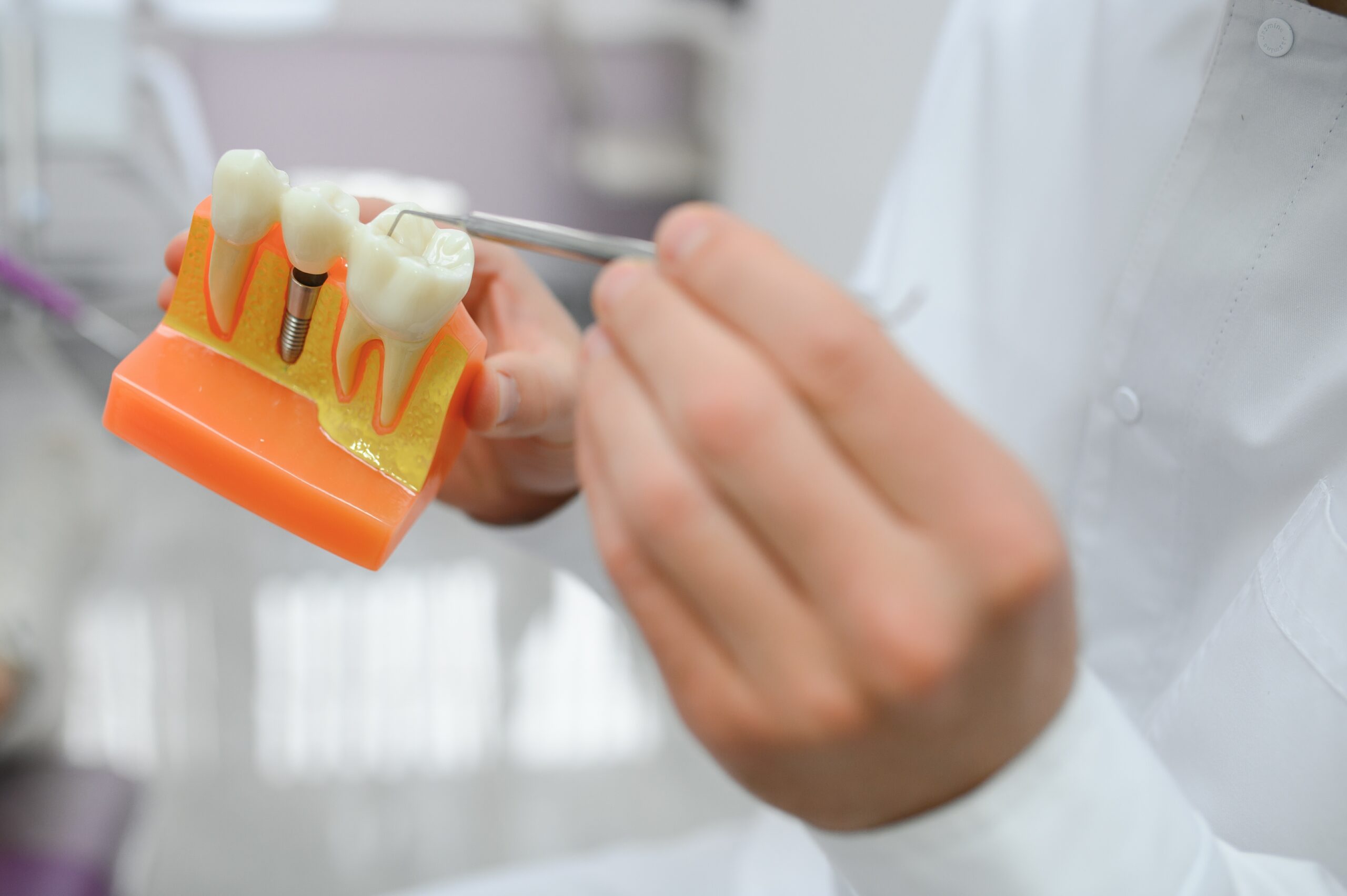
A dental crown is a custom-made cap that fits over a damaged, weakened, or heavily restored tooth. It restores the tooth’s shape, size, strength, and appearance.
Crowns are typically used following root canal treatment, to protect a cracked tooth, or to cover a large filling where not much natural tooth remains.
A dental bridge is used to replace one or more missing teeth. It works by anchoring an artificial tooth (or teeth) between two crowns that are placed over the neighbouring natural teeth, or in some cases, over dental implants. If you would like to understand more about tooth replacement options more broadly, our article on dental implants vs bridges covers the key differences in detail.
Both are part of the dental crowns and bridges treatments available at Vineyard Dental Sunbury.
How Long Do Dental Crowns Last?
With proper care, dental crowns may last anywhere from 10 to 15 years or more. Some crowns remain in excellent condition for considerably longer, while others may need attention sooner depending on a range of individual factors.
The dental crown lifespan is influenced by:
- Material — porcelain-fused-to-metal, all-ceramic, and zirconia crowns each have different durability profiles. Your dentist will recommend the most suitable material based on the location of the tooth and your bite.
- Location in the mouth — crowns on back teeth (molars and premolars) endure significantly more biting force than those on front teeth, which can affect how long they last.
- Oral hygiene habits — decay can develop at the margin where the crown meets the natural tooth if plaque is not removed consistently through brushing and flossing.
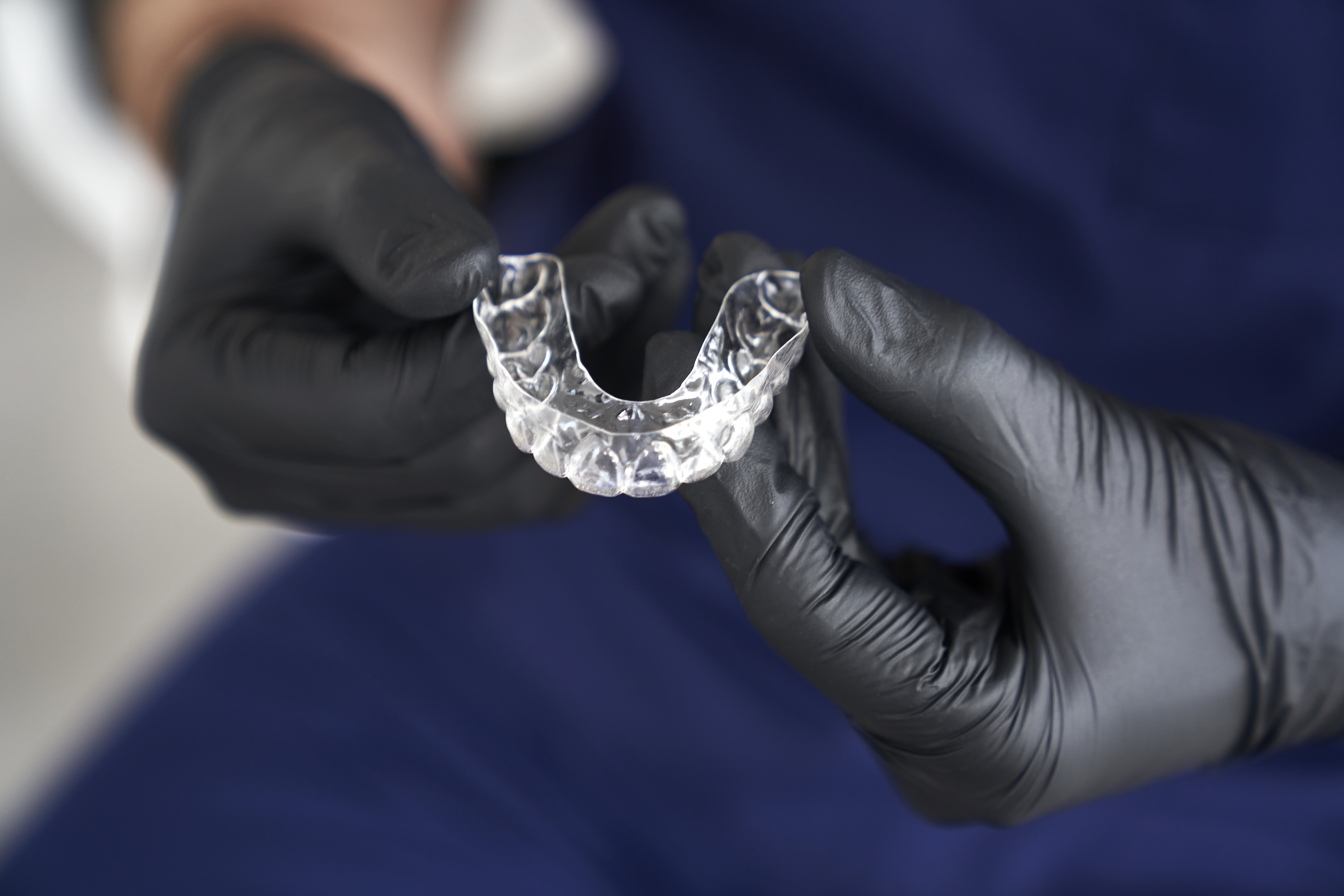
- Teeth grinding (bruxism) — grinding or clenching places considerable stress on crowns and can shorten their lifespan. A custom mouthguard may be recommended if bruxism is a concern.
How Long Do Dental Bridges Last?
The dental bridge lifespan is similar to that of crowns, typically around 10 to 15 years, and often longer with good care. Because a bridge involves multiple connected units, the health of the supporting teeth and the underlying bone plays an important role in how well it holds up over time.
Factors affecting the longevity of a bridge include:
- Health of the abutment teeth — the natural teeth supporting the bridge need to remain strong and free of decay or gum disease.
- Oral hygiene under the bridge — cleaning beneath the artificial tooth (called the pontic) requires a little extra effort, using floss threaders or interdental brushes to remove plaque from areas a regular toothbrush can’t reach.
- Bite and occlusion — an uneven bite can place excess stress on certain parts of the bridge, accelerating wear.
Factors Affecting Crown and Bridge Longevity
Beyond the specifics of each restoration, a few broader factors affecting crown longevity apply to both crowns and bridges:
- Regular dental check-ups — routine check-up and clean appointments allow your dentist to monitor your restorations, catch early signs of wear or damage, and professionally clean areas that are difficult to reach at home.
- Diet — biting down on very hard food can chip or crack a crown or dislodge a bridge. Being mindful of these habits can significantly extend the life of your restoration.
- Smoking — smoking contributes to gum disease and can compromise the health of the supporting teeth and bone, indirectly affecting the lifespan of bridges in particular.
Signs a Dental Crown Needs Replacement
Even well-maintained crowns eventually reach the end of their lifespan. Signs a dental crown needs replacement include:
- Visible cracks, chips, or worn edges on the crown itself
- Pain or sensitivity around the crowned tooth, which may indicate decay at the margin or a loose fit
- The crown feels loose or shifts when you bite
- The gum around the crown appears inflamed or is receding, exposing the margin
- The crown is noticeably discoloured compared to surrounding teeth
Signs a Dental Bridge Needs Replacement
Similarly, signs a dental bridge needs replacement can include:
- Discomfort or pain when biting down
- The bridge feels loose or unstable
- Visible damage to the bridge structure
- Difficulty cleaning under the bridge, leading to persistent bad breath
- Changes in the fit of the bridge due to shifting of surrounding teeth or bone loss
If you notice any of these signs, it’s worth booking an appointment sooner rather than later. Addressing an issue early is almost always simpler and more cost-effective than waiting until the problem progresses.
How to Make Dental Crowns and Bridges Last Longer
The single most effective thing you can do to extend the life of your dental crown and bridge treatments is to maintain excellent oral hygiene and attend regular dental appointments. Beyond that:
- Brush twice daily with a fluoride toothpaste
- Floss daily, paying particular attention to the gumline around crowns and under bridges
- Use a mouthguard if you grind your teeth at night
- Avoid using your teeth as tools (opening packaging, biting nails, or chewing on hard objects)
- See your dentist at the first sign of any discomfort or change in the fit of your restoration
Protect Your Investment, Your Smile Is Worth It
A well-placed crown or bridge is an investment in both your oral health and your confidence. With the right care and regular professional attention, these restorations can serve you well for many years to come. And when the time does come for a review or replacement, knowing what to look for puts you in the best possible position to act early.
If you have questions about your existing dental crowns and bridges, or you would like to find out whether a crown or bridge is the right solution for your situation, the team at Vineyard Dental Sunbury is here to help.
Book a consultation with us today to look after your smile.
Frequently Asked Questions
How long do dental crowns last on average?
With proper care and regular check-ups, dental crowns may last 10 to 15 years or longer. Lifespan depends on the material used, the crown’s location in the mouth, oral hygiene habits, and whether you grind your teeth.
How long do dental bridges last?
Dental bridges typically last around 10 to 15 years with good maintenance. The health of the supporting teeth, cleaning habits under the bridge, and regular dental visits all influence how long a bridge holds up.
Can a dental crown last a lifetime?
Some crowns can remain functional for 20 years or more, but it’s not guaranteed. Most will eventually need replacement due to normal wear and tear. Regular check-ups allow your dentist to monitor the condition over time.
What happens if a dental crown is not replaced when needed?
Delaying replacement can lead to decay of the underlying tooth, sensitivity, infection, or damage to surrounding teeth. If you notice any changes in your crown, it’s best to have it assessed promptly.
How do I clean under a dental bridge?
Floss threaders, interdental brushes, or a water flosser can help you clean beneath the bridge where a regular toothbrush cannot reach. Your dentist can demonstrate the best technique at your next appointment.
Does private health insurance cover dental crowns and bridges?
Coverage varies depending on your health fund and level of cover. We recommend checking with your insurer directly. Our team at Vineyard Dental Sunbury is also happy to help with cost questions during your consultation.