Ever wonder what keeps your teeth strong and sparkly? It’s something called tooth enamel. Think of it as your teeth’s suit of armor. It’s the hard, outer layer that protects the soft, sensitive part inside. When this armor gets weak or damaged, you might start to feel a bit of pain, sensitivity, or notice your teeth looking a bit dull.
If you’re worried about weak enamel, you’ve come to the right place. This blog post is your guide on how to protect, strengthen, and even help ‘fix’ tooth enamel. We’ll cover what causes the damage, simple changes you can make today, and what your dentist can do to help.
The good news? Even though enamel is tough, it needs a bit of TLC. By the end of this article, you’ll have all the tips and tricks to keep that smile bright, strong, and healthy. Let’s get cracking!
What is Tooth Enamel?
To understand how to fix it, we first need to know what it is.
Tooth enamel is the hardest substance in the human body—even harder than bone! It covers the crown (the visible part) of your tooth. It’s mostly made up of minerals, especially calcium and phosphate.
What’s Enamel’s Job?
- Protection: It shields the inner layers of your tooth (called dentin and pulp) from the hot, cold, and acidic things you eat and drink. The inner layers contain nerves, so without enamel, you’d be in a lot of pain!
- Biting and Chewing: It’s tough enough to handle the incredible pressure of chewing your food every single day.
- Appearance: It’s translucent (slightly see-through), which is what gives your teeth their bright, white look.
The Big Problem: Enamel Can’t Grow Back
Here’s the tricky bit: Unlike bone, once tooth enamel is damaged or worn away, your body cannot replace it. It doesn’t have living cells. This is why prevention and protection are so incredibly important. While we can’t “grow back” the lost enamel, we can strengthen and harden the remaining enamel through a process called remineralisation. We’ll talk a lot more about that!
Common Causes and Signs of Enamel Damage
How do you know if your tooth armour is under attack? And what are the sneaky culprits causing the wear and tear?
Top Causes of Enamel Erosion
- Acidic Foods and Drinks: This is the biggest enemy. Things like soft drinks (sodas), fruit juices (especially citrus), lollies, and even some healthy foods like tomatoes and vinegar-based salad dressings are acidic. The acid ‘dissolves’ the mineral structure of the enamel.
- Dry Mouth: Saliva is your natural enamel protector. It washes away food and neutralises acids. If you have a dry mouth (due to medication or health issues), your enamel is at a higher risk.
- Acid Reflux or Vomiting: Stomach acids are very strong. Conditions like Gastroesophageal Reflux Disease (GERD) or frequent vomiting bring these acids into the mouth, causing rapid and severe erosion.
- Teeth Grinding (Bruxism): If you clench or grind your teeth, especially in your sleep, the friction can physically wear down the enamel over time.
- Aggressive Brushing: Brushing too hard with a hard-bristled toothbrush can physically scrub away the enamel, especially near the gum line.
Signs You Might Have Enamel Damage
- Increased Sensitivity: This is the most common sign. You might feel a sharp, brief pain when eating very hot, cold, or sweet foods. This happens because the protective enamel is thinner, allowing the temperature or sweetness to reach the sensitive dentin layer underneath.
- Discolouration: Teeth might look more yellow. As the white enamel wears away, the yellowish dentin layer underneath becomes more visible.
- Rounded or Shiny Edges: The cutting edges of your front teeth might look unusually smooth, shiny, or slightly rounded, almost like a piece of polished glass.
- Chipping and Cracking: Weak enamel makes your teeth brittle and more prone to chipping, cracking, or developing tiny dents (called cupping) on the chewing surfaces.
If you are experiencing any of these signs, it’s a good idea to chat with a professional, like a dentist Sunbury or a dentist in Gisborne Vic, for a proper check-up.
How to Prevent Further Enamel Damage
Since we can’t grow new enamel, the first and most important step is to stop the damage right now.
1. The Right Way to Brush
- Use a Soft Brush: Ditch the hard-bristled brush. Opt for a soft or extra-soft toothbrush, or consider an electric toothbrush with a pressure sensor (it beeps if you push too hard!).
- Be Gentle: Use small, gentle, circular motions. Think of it as a massage for your gums and teeth, not a scrub.
- Wait to Brush: If you’ve just had something acidic (like juice or coffee), do not brush straight away! The acid has temporarily softened the enamel, and brushing immediately will scrub it away. Wait at least 30 minutes to give your saliva time to neutralise the acid and start the remineralisation process.
2. Manage Acid Intake
- Use a Straw: When drinking acidic drinks (soft drinks, cordial, bottled iced tea), use a straw. This helps the liquid bypass your teeth.
- Drink Water After Acidic Foods: After eating an orange, a few chips with vinegar, or drinking juice, rinse your mouth with plain water. This washes away the acid and is a simple, effective step.
- Limit Snacking: Each time you eat or drink, your mouth becomes acidic. Limiting snacks means fewer “acid attacks” throughout the day.
3. Handle Grinding (Bruxism)
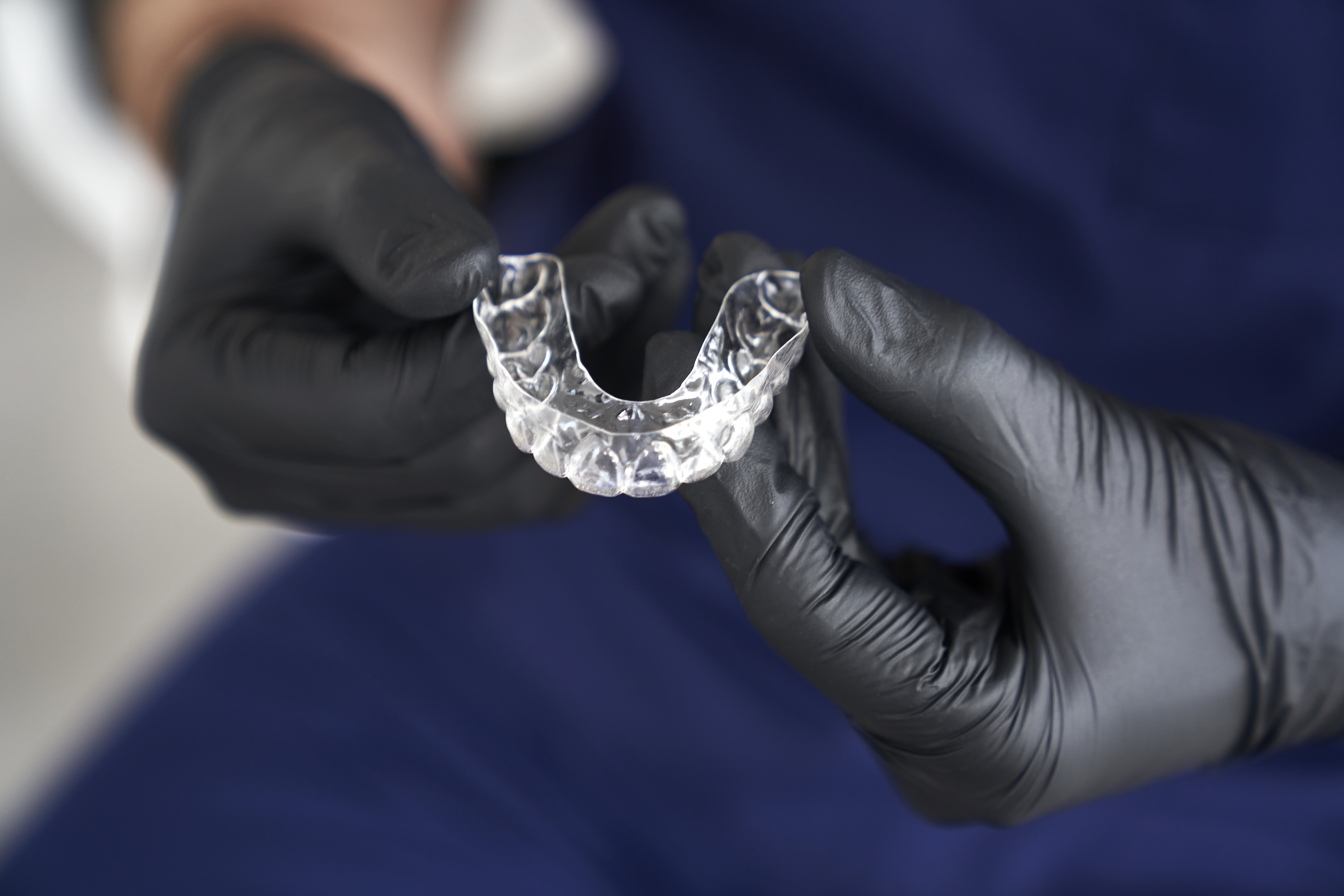
If you grind your teeth, your dentist might recommend a custom-fitted night guard (splint). This creates a protective barrier between your upper and lower teeth, stopping the physical wear and tear.
Can Tooth Enamel Be Restored or Repaired?
This is the big question: How to Fix Tooth Enamel?
As mentioned, lost enamel cannot be regrown. However, the mineral structure of the existing enamel can be made stronger and harder. This process is called remineralisation.
Think of your enamel as a sponge. Acids pull minerals (like calcium and phosphate) out of the sponge—this is demineralisation. Remineralisation is when minerals are put back into the sponge, making it solid and resistant to further attack. This is where fluoride and calcium become your best mates.
Fluoride Treatments and Other Professional Care
Your dentist has powerful tools and treatments available to help with restoring tooth enamel and tackling enamel erosion treatment.
1. Professional Fluoride Treatments
The most effective way to help remineralise and strengthen existing enamel is with fluoride.
- How it Works: Fluoride bonds with the mineral structure of the enamel, creating a stronger, more acid-resistant surface. It essentially ‘supercharges’ the enamel.
- In-Office Gels and Varnishes: Your dental professional can apply a high-concentration fluoride gel or varnish directly to your teeth during a check-up. This treatment is much stronger than what you get from toothpaste and provides a long-lasting boost of protection.
2. Dental Bonding (Fillings)
If the enamel loss is so severe that it has caused deep pitting, chipping, or sensitivity that remineralisation can’t fix, the dentist may suggest dental bonding.
- The Process: A tooth-coloured resin (a strong plastic material) is applied to the damaged area. It’s shaped to look like the natural tooth and then hardened with a special light. This acts as a permanent patch, covering and protecting the sensitive areas.
3. Crowns or Veneers
In very advanced cases where the tooth structure is significantly damaged or the tooth is at risk of fracturing, the dentist may recommend a crown (a ‘cap’ that covers the entire tooth) or a veneer (a thin shell applied to the front surface). These act as a completely new, tough, artificial layer of enamel.
Don’t wait until the damage is severe! Regular visits to your local dentists Gisborne Vic or dentist in Sunbury are key to catching and treating early signs of erosion.
Dietary Changes and Home Products to Protect Enamel
You hold a lot of power in your kitchen and bathroom! Here are some key lifestyle adjustments for strengthening tooth enamel.
Dietary Do’s and Don’ts
- ‘Hard’ Cheeses: Dairy products, especially cheese, are brilliant for your teeth. They are high in calcium and phosphate, and they stimulate saliva flow, both of which help neutralise acids. Finish a meal with a small piece of cheese!
- Fibre-Rich Fruits and Veggies: Crunchy, high-fibre foods (like apples, carrots, and celery) help stimulate saliva and literally scrub your teeth clean as you chew.
- Water, Water, Water: Tap water contains fluoride and is pH neutral. It’s the absolute best drink for your teeth.
- Limit Sugary and Acidic Drinks: Cut down on soft drinks, sports drinks, and frequent sipping of fruit juice or black coffee/tea with sugar. If you have them, have them quickly with a meal, not slowly over an hour.
Home Products for Remineralisation
- Fluoride Toothpaste: Use a toothpaste that contains fluoride. It is the gold standard for preventing enamel damage and aiding remineralisation at home.
- Fluoride Mouthwash (Optional): If you are at high risk of erosion (perhaps due to dry mouth or reflux), your dentist might recommend a daily fluoride mouthwash as an extra boost.
- Toothpaste with CPP-ACP (Recaldent): Some Australian products contain Casein Phosphopeptide–Amorphous Calcium Phosphate (CPP-ACP), often sold under the brand name Recaldent (or sometimes listed as MI Paste). This unique milk protein derivative delivers calcium and phosphate right where it’s needed, helping the remineralisation process.
Long-Term Care for Healthy Enamel
Protecting your enamel is a marathon, not a sprint. Consistency is everything.
- Brush Twice a Day, Floss Once: Stick to the fundamentals. A gentle brush in the morning and before bed is non-negotiable. Flossing removes plaque between the teeth, where acids can also cause trouble.
- Regular Dental Check-ups (Every Six Months): Your dentist and hygienist are your partners in this! They can spot early wear, apply professional treatments, and give you personalised advice based on your lifestyle. Don’t skip these appointments—they are the best enamel erosion treatment prevention.
- Address Underlying Health Issues: If dry mouth, acid reflux, or teeth grinding are the root cause, talk to your doctor or dentist about managing these conditions. Treating the cause is the best way to save your enamel.
Conclusion: Keep That Smile Strong!
Your tooth enamel is a marvel of nature, designed to last a lifetime. While it can’t grow back once lost, you have tremendous power to stop further damage and even strengthen the enamel you have through the magic of remineralisation.
By making simple changes—like gentle brushing, watching your acid intake, and using fluoride products—you are actively participating in restoring tooth enamel health. Don’t forget, your local dentists in Gisborne Vic and dentist in Sunbury are experts who are ready to help you on your journey to a stronger, healthier smile.
Take control today, and keep that Aussie grin shining bright!
Call to Action
Ready to give your enamel the professional protection it needs?
Don’t wait for sensitivity or pain to get worse. Book your check-up today!
If you’re near the Sunbury or Gisborne Vic area, call a local dental practice to schedule a consultation about professional fluoride treatments and a check for any early signs of enamel erosion.
Frequently Asked Questions (FAQs)
Q: Can sensitive toothpaste help with enamel damage?
A: Yes, absolutely. Most sensitive toothpastes contain ingredients that either block the tiny tubes in the dentin (which lead to the nerve) or they contain high levels of fluoride/calcium to help with remineralisation. They can provide great relief while you work on strengthening your enamel.
Q: Is oil pulling good for my enamel?
A: Oil pulling is generally harmless, but there is little scientific proof that it actively strengthens enamel or helps with remineralisation. Stick to the tried-and-true methods supported by dental science: brushing with fluoride toothpaste, flossing, and using professional fluoride treatments.
Q: Does whitening toothpaste damage enamel?
A: Most modern whitening toothpastes are safe for enamel. However, some can be more abrasive than regular toothpaste. If you have known enamel loss or sensitivity, look for a low-abrasion or “for sensitive teeth” whitening toothpaste, or speak to your dentist about professional, non-abrasive whitening options.
Q: If I have lost a lot of enamel, can I get it back?
A: Sadly, no. The body cannot regenerate the enamel structure. However, the good news is that your dentist can repair the damage using techniques like dental bonding, veneers, or crowns to restore the look, feel, and protective function of your tooth. The goal then becomes to prevent any further loss.