You lean in to chat with a friend and wonder if your breath is fresh. Or you reach for a mint before every meeting, just in case. It’s a common worry, and it can knock your confidence.
This guide covers the most common bad breath causes and what you can try at home. It also explains when it’s time to see our team at Vineyard Dental Clinic in Sunbury.
Why does bad breath happen?
Bad breath is also called halitosis. In most cases, it starts in the mouth. Bacteria build up on your teeth, gums and tongue. As they break down food and plaque, they release gases that smell unpleasant.
Waking up with stale breath is normal. It usually eases after you brush and have a drink of water. Bad breath that lasts through the day may point to a dental issue or another health condition.
Common bad breath causes
Many people have more than one thing going on. Here are the most common causes:
- Plaque and skipped cleaning. Food and plaque left on your teeth feed bacteria. Those bacteria can cause odour.
- A coated tongue. The rough surface of your tongue can trap bacteria and food, especially at the back.
- Gum disease. This is an infection of the gums and tissue around your teeth. It can be a cause of bad breath that doesn’t go away.
- Tooth decay and worn dental work. Cavities and gaps around old fillings or crowns can hold onto food.
- Dry mouth. Saliva helps wash away food and bacteria. Less saliva can mean more odour. Some medicines can dry your mouth, so ask your doctor or pharmacist before changing anything.
- Strong foods and drinks. Onion, garlic, coffee and alcohol can all leave a smell behind. This type is usually short-lived.
- Smoking. Smoking can leave its own smell in your mouth and on your breath.
- Health conditions outside the mouth. Sinus problems and tonsil issues may play a part in some cases. Your dentist can help you work out whether to see your GP.
What you can try at home
Small habits can make a real difference. These steps may help:
- Brush for two minutes, twice a day, with fluoride toothpaste.
- Clean between your teeth once a day with floss or small brushes.
- Gently brush or scrape your tongue.
- Sip water through the day to keep your mouth moist.
- Chew sugar-free gum after meals, which may help your saliva flow.
- Keep your regular check-ups and cleans.
Also read: Gum Disease Stages and Treatment Options: From Gingivitis to Periodontitis
Mouthwash and mints may freshen your breath for a short time. They don’t fix the cause. If your breath keeps coming back, it’s worth finding out why.
Habits that can keep bad breath around
A few everyday habits can quietly keep bad breath around. Brushing your teeth but skipping your tongue is a common one. Brushing too hard is another. It doesn’t clean better, and it can irritate your gums.
A worn toothbrush also cleans less well. Replace your toothbrush when the bristles look worn, or as your dentist advises. Going long stretches without water or meals can leave your mouth dry, too.
Small tweaks to these habits may be all you need. If they don’t help, a dental check is the next step.
When to see a dentist about bad breath
Many people feel awkward bringing it up. It’s a reasonable thing to raise with your dentist, and a good reason to book.
Consider an appointment if:
- Your bad breath hasn’t improved after a few weeks of good home care.
- Your gums bleed, look red or feel swollen.
- You have a bad taste in your mouth that lingers.
- You notice a sore tooth, a hole or a broken filling.
- Your mouth often feels dry.
Please see a dentist or doctor promptly if you also have a fever, facial swelling or trouble swallowing.
What to expect at your visit
Here’s what typically happens once you’re in the chair.
- Our team asks when you notice the smell and how you look after your teeth.
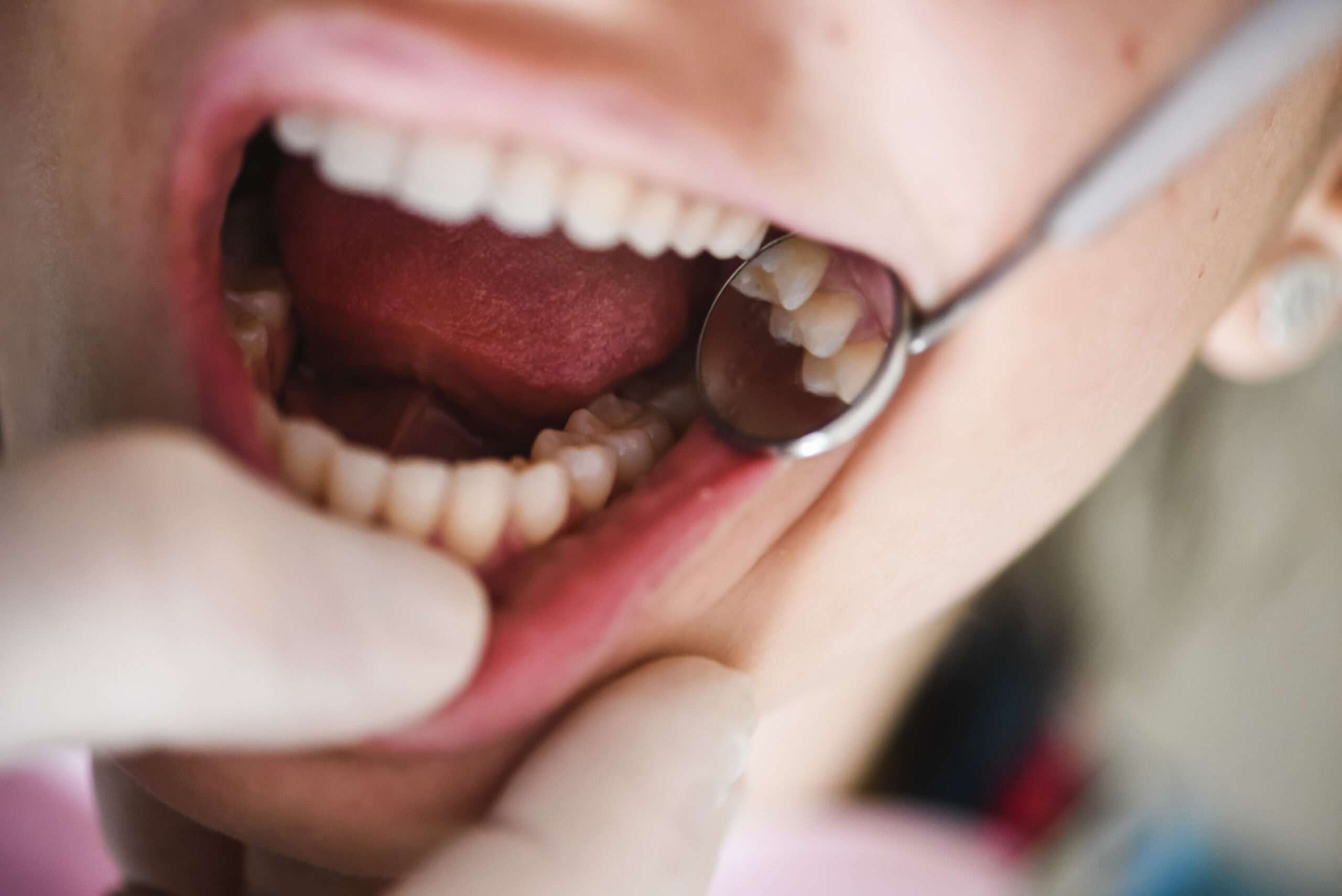
- We check your teeth, gums, tongue and any existing dental work.
- We talk through what we find.
- We suggest a next step. It might be a professional clean, treatment for decay or gum disease, or advice on dry mouth.
- If the cause looks like it’s outside your mouth, we may suggest you see your GP.
Every mouth is different, so the right plan depends on your individual assessment.
Looking after your breath for the long term
Most bad breath starts in the mouth, and many causes may be managed once you know what’s behind them. Good daily habits are a strong first step. If the smell sticks around, a dental check can help you find the cause and plan what to do next.
If bad breath keeps coming back, our team at Vineyard Dental Clinic is here to help. A dental check-up and clean is a good place to start.
Looking for a dentist in Sunbury, Victoria? Book a consultation with our dental team on our online booking page or call us on (03) 9740 2048. We’d love to help you feel confident about your breath!
Frequently Asked Questions
Why does my breath smell even after I brush?
Brushing mainly cleans the surfaces of your teeth. Bacteria can also sit on your tongue, between your teeth and under the gumline. Dry mouth, gum disease and decay can add to the problem. A dental check can help find the cause.
Is bad breath a sign of gum disease?
It can be. Bad breath that doesn’t go away is sometimes linked to gum disease. Other signs include red, swollen or bleeding gums. Only a dentist can tell you what’s going on after an examination.
Do mouthwash and mints get rid of bad breath?
They may freshen your breath for a short time. They don’t treat the cause. If your bad breath keeps returning, it’s a good idea to have a dental check.
Is bad breath ever a sign of something serious?
Most bad breath comes from the mouth. Less often, it can be linked to other health conditions, such as sinus or tonsil problems. Your dentist can check your mouth first and suggest your GP if needed.