Tooth pain has a habit of striking at the worst possible time, often late at night, well outside clinic hours. When you’re desperate for toothache relief and can’t get to a dentist immediately, it helps to know two things.
First, what you can safely try at home. Second, how to tell when the pain means you need care sooner rather than later.
Home Remedies for Toothache Relief
While none of these replaces a proper dental assessment, a few home remedies for tooth pain can genuinely help take the edge off in the meantime:
- Saltwater rinse. Dissolve about half a teaspoon of salt in warm water and gently rinse around the painful area. Don’t swallow it. This is a widely recommended first step for toothache pain relief.
- Cold compress. An ice pack wrapped in a cloth, held against the outside of your cheek, can help reduce swelling and ease discomfort.
- Head elevation. Resting with your head propped up on a pillow, rather than lying flat, can sometimes reduce how intense the pain feels.
- Clove oil. A small amount dabbed onto the area, using a cotton bud, is a commonly used remedy, though it’s worth checking with your pharmacist before use, particularly around broken skin or gum tissue.
- Over-the-counter pain relief. Paracetamol or ibuprofen, taken exactly as directed on the packaging, can help manage discomfort. If you’re unsure which is suitable for you, ask your pharmacist.
How to Stop Tooth Pain Fast at Home, Even at Night
If you’re dealing with unbearable tooth pain, what to do at home becomes the immediate question, especially at 2 am with no dentist open. A few extra things can help in that moment:
- Avoid food or drinks that are very hot or very cold, which can intensify sensitivity.
- Stick to soft foods that are easy to chew on the unaffected side.
- A topical dental gel from the pharmacy may offer short-term numbing — ask your pharmacist which option suits you.
- If pain relief medicine hasn’t helped after a reasonable period, that’s a sign it’s time to seek professional care rather than keep waiting it out.
Knowing how to stop tooth pain fast at home at night can buy you some comfort, but it’s a bridge to treatment, not a substitute for it.
What’s Actually Causing the Pain?
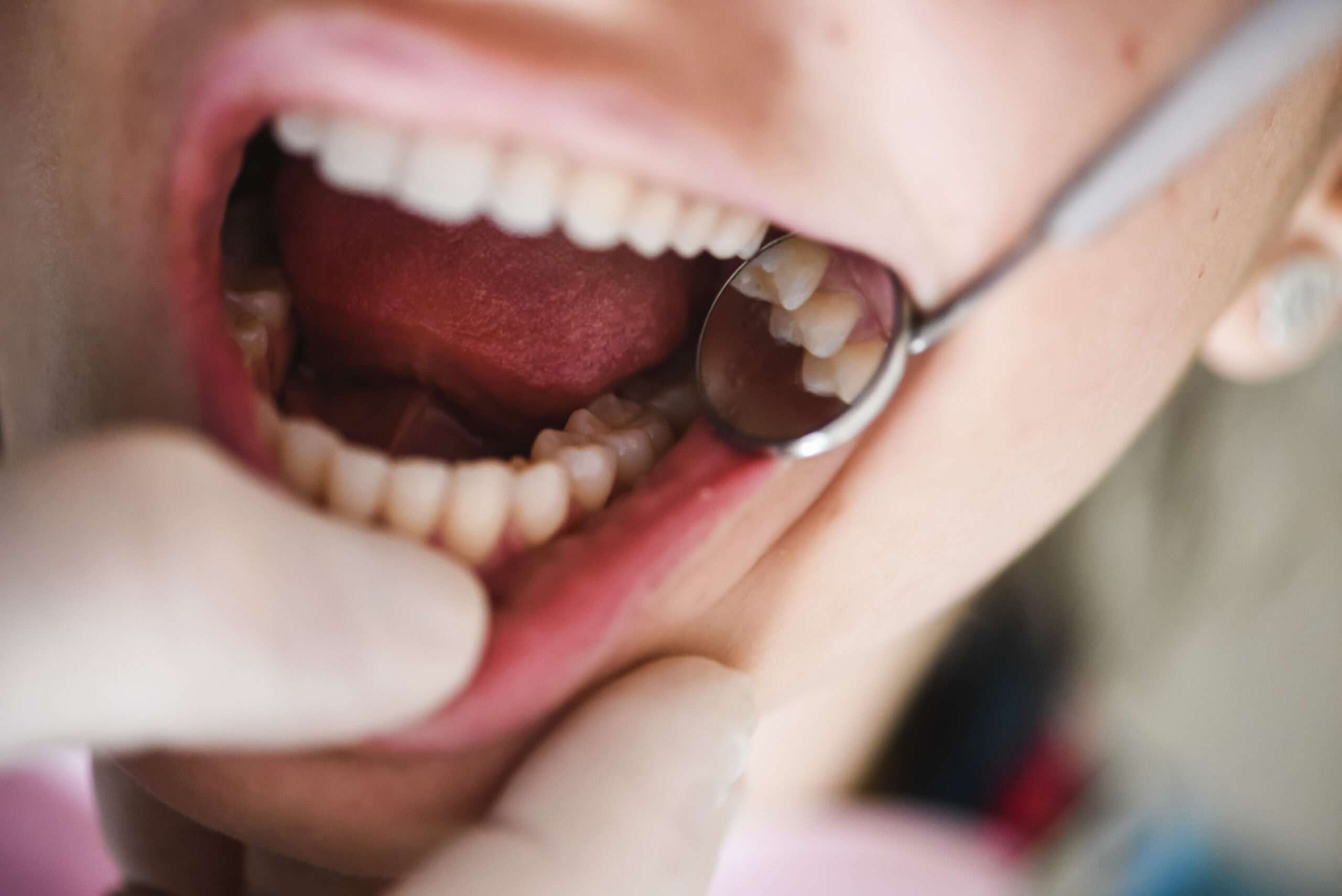
Tooth pain can come from a few different sources, including tooth decay, a cracked tooth, or an infection. Cracked tooth pain symptoms often include a sharp twinge when biting down, rather than a constant ache.
Dental abscess symptoms can include swelling, a bad taste, or a visible pimple-like bump on the gum. We’ve covered the fuller range of causes and first-aid steps in our earlier guides to dental emergency first aid and the signs you might need a root canal.
When Is a Toothache a Dental Emergency?
This is often the hardest part to judge on your own. According to healthdirect, an Australian Government health information service, there’s a useful way to think about urgency:
See a dentist as soon as possible if your toothache:
- Lasts more than 2 days
- Doesn’t improve after taking pain-relief medicine
See a dentist promptly if your toothache also comes with:
- A fever (over 38°C)
- Trouble swallowing
- Pain when you bite
- A bad taste in your mouth
- Swelling in your cheek or jaw
Seek emergency medical care immediately if your toothache causes:
- Difficulty breathing
- Difficulty speaking
- Swelling around your eye or neck
If it’s after hours and you’re searching for an “emergency dentist near me” through your phone, use this list as your guide: routine discomfort can usually wait for a normal appointment, but anything in that emergency category needs immediate medical care, not a wait-and-see approach.
Easing Tooth Pain Before It Starts
Learning how to ease tooth pain often comes down to prevention just as much as treatment. Good oral hygiene, regular check-ups, and addressing small issues, like a chip or ongoing sensitivity, before they worsen can all reduce how often sudden pain catches you off guard.
If tooth pain has become a recurring problem, it’s worth having your dentist take a closer look at the underlying cause rather than managing the symptoms each time it flares up.
You’re Not Stuck Waiting It Out
Tooth pain relief at home can genuinely help you get through until your appointment, but it isn’t a treatment in itself. If your pain is mild and settling, a routine visit is usually fine. If it’s severe, persistent, or accompanied by any of the warning signs above, don’t wait.
If you’re looking to get emergency dental treatments in or around Sunbury, VIC right away, our team at Vineyard Dental Clinic is here to help you address your emergency dental concerns.
Contact our team to help you work out the right next step, whether that’s an urgent appointment or guidance on managing things until we can see you.
Book an appointment today to know more.
Frequently Asked Questions
Is unbearable tooth pain always a dental emergency?
Not always, but it shouldn’t be ignored either. If pain lasts more than two days or doesn’t respond to pain relief medicine, it’s time to see a dentist. If it comes with breathing difficulty, speaking difficulty, or swelling around your eye or neck, seek emergency medical care immediately.
What’s the fastest way to relieve tooth pain at home?
A combination of a saltwater rinse, a cold compress, and over-the-counter pain relief taken as directed is generally the most effective starting point while you arrange an appointment.
Can I use clove oil for a toothache?
Many people find it helpful as a short-term measure, though it’s worth checking with your pharmacist first, especially if you have sensitive gums or any allergies.
How much ibuprofen or paracetamol can I take for tooth pain?
Always follow the dosing instructions on the packaging, and check with your pharmacist if you’re unsure what’s appropriate for you, particularly if you take other medications.
What if my toothache comes with facial swelling?
Swelling in the cheek or jaw alongside tooth pain means you should see a dentist promptly. If the swelling is around your eye or neck, or you have trouble breathing or swallowing, seek emergency medical care straight away.
Can heart problems cause tooth pain?
In rare cases, yes, pain from the heart can be felt as jaw or tooth pain. If you experience chest discomfort alongside tooth or jaw pain, treat it as a medical emergency rather than a dental one.