You’ve decided it’s time to straighten your teeth, and now you’re stuck on braces vs Invisalign. Both are common options, but they ask different things of you in money, time, and daily habits.
This guide covers what each option involves, what shapes the cost, and how long you might commit. It also lists questions to take to your dentist. The right choice depends on your teeth and your bite.
What Are Braces and Clear Aligners?
Braces are fixed appliances, which means you can’t take them off. Small brackets sit on your teeth, and wires link them. The wires apply gentle pressure that moves your teeth into position. Options include metal braces, tooth-coloured ceramic braces, and lingual braces, which are stuck to the inside surface of your teeth.
Braces are usually fitted by an orthodontist, a dentist with extra training in straightening teeth.
Clear aligners take a different approach. They’re custom-made, thin plastic trays worn over your teeth. You move through a series of them during treatment.
Invisalign is one brand of clear aligners, and the one we use at Vineyard Dental Clinic. However, while many would describe them as “invisible,” the Australian Dental Association (ADA) points out that aligners are clear but not invisible.
When you compare Invisalign vs braces, the right fit may depend on how much your teeth need to move. Your dentist can assess that.
How the Daily Commitment Compares
Day to day, each option asks something different of you. With braces, you’ll need to:
- Keep them on at all times. Fixed braces stay in place until your treatment is complete.
- Attend adjustments. These are usually every six to eight weeks, when wires are changed or elastics are added.
- Brush after every meal. Food can get stuck around the brackets, so the ADA recommends it.
- Clean between the brackets. String floss can be tricky, so interdental brushes (tiny brushes for the gaps between teeth) can help.
Clear aligners ask for a different routine. With aligners, you’ll need to:
- Wear them all the time. The only breaks are for meals and for drinks other than water.
- Mind what you drink. Fruit juice or soft drink can trap against your teeth under the trays. That may cause damage if it happens often.
- Clean the trays as well as your teeth. You can use a spare toothbrush and antibacterial liquid soap, followed by a rinse in warm water.
- Brush and floss as usual. Because the trays come out, you can clean your teeth the way you normally would.
Neither routine is easier for everyone, so think about your schedule and habits.
How Long Does Each Option Take?
Healthdirect says braces, aligners, and retainers usually take one to three years to straighten teeth. So how long do braces take? You might wear them for 12 to 24 months. A retainer then follows for another 12 to 24 months or longer.
How long does Invisalign take? That depends on how much your teeth need to move. Your dentist can give you an estimate after an assessment.
Related: Want a closer look at timing? Read our post on braces vs Invisalign: which is faster.
Both options may finish with a retainer, which is a device that helps hold your teeth in their new position. Your teeth may move again if you don’t wear it as advised, so it’s part of the commitment too.
You’ll also need to keep your regular check-up and clean appointments while you’re in treatment.
What Shapes the Cost of Braces and Invisalign?
Searching for an Invisalign vs braces cost comparison is a fair place to start, but there’s no single answer. Healthdirect says the cost depends on a lot of factors and suggests asking your dentist or orthodontist for a quote. Several things may shape what you’re quoted:
- The type of appliance. Some types cost more than others, and Healthdirect describes lingual braces as more expensive.
- How much your teeth need to move. A small change may need less than a complex one.
- How long treatment runs. Braces need adjustments every six to eight weeks, so a longer plan can mean more visits.
- What happens afterwards. Retainers and follow-up visits may be part of your overall cost.
The cost of braces in Australia, and the cost of clear aligners, varies from person to person. A written quote for each option lets you compare like with like.
Paying for Treatment: Medicare and Health Funds
Many people ask whether Medicare or a health fund will help. The Child Dental Benefits Schedule, which covers some basic dental services for eligible children, doesn’t cover orthodontic work. Private health extras cover (the part of a policy that pays towards things like dental) differs from policy to policy. Waiting periods for orthodontics can run from one to three years on some policies, and annual limits may apply.
Check your policy before you start treatment, and ask your fund what it covers for orthodontics. Our team can explain what’s in your quote, but only your health fund can confirm what you’ll get back.
Questions to Take to Your Appointment
An assessment can show what suits your teeth. These questions can help you get the most out of it:
- Which options suit my teeth and bite?
- How long do you expect treatment to take?
- How many appointments will I need, and how often?
- What does the quote include, such as retainers and follow-up visits?
- How should I clean my teeth and my appliance?
- What should I do if something breaks or goes missing?
- Will my health fund cover any of it, and when could I claim?
Finding the Option That Fits Your Life
Braces and clear aligners can both help straighten teeth, but they ask for different things. One means regular adjustments and careful cleaning around fixed brackets. The other means wearing and looking after removable trays all day. Once you know what each asks of your time and budget, the choice gets easier. Your dentist can help you talk through braces vs Invisalign for your teeth.
Thinking about straightening your teeth? Our team at Vineyard Dental Clinic can examine your teeth and talk you through clear aligner options, including Invisalign. Book a consultation at our Sunbury VIC clinic and bring your questions.
Frequently Asked Questions
How Much Do Braces and Invisalign Cost in Australia?
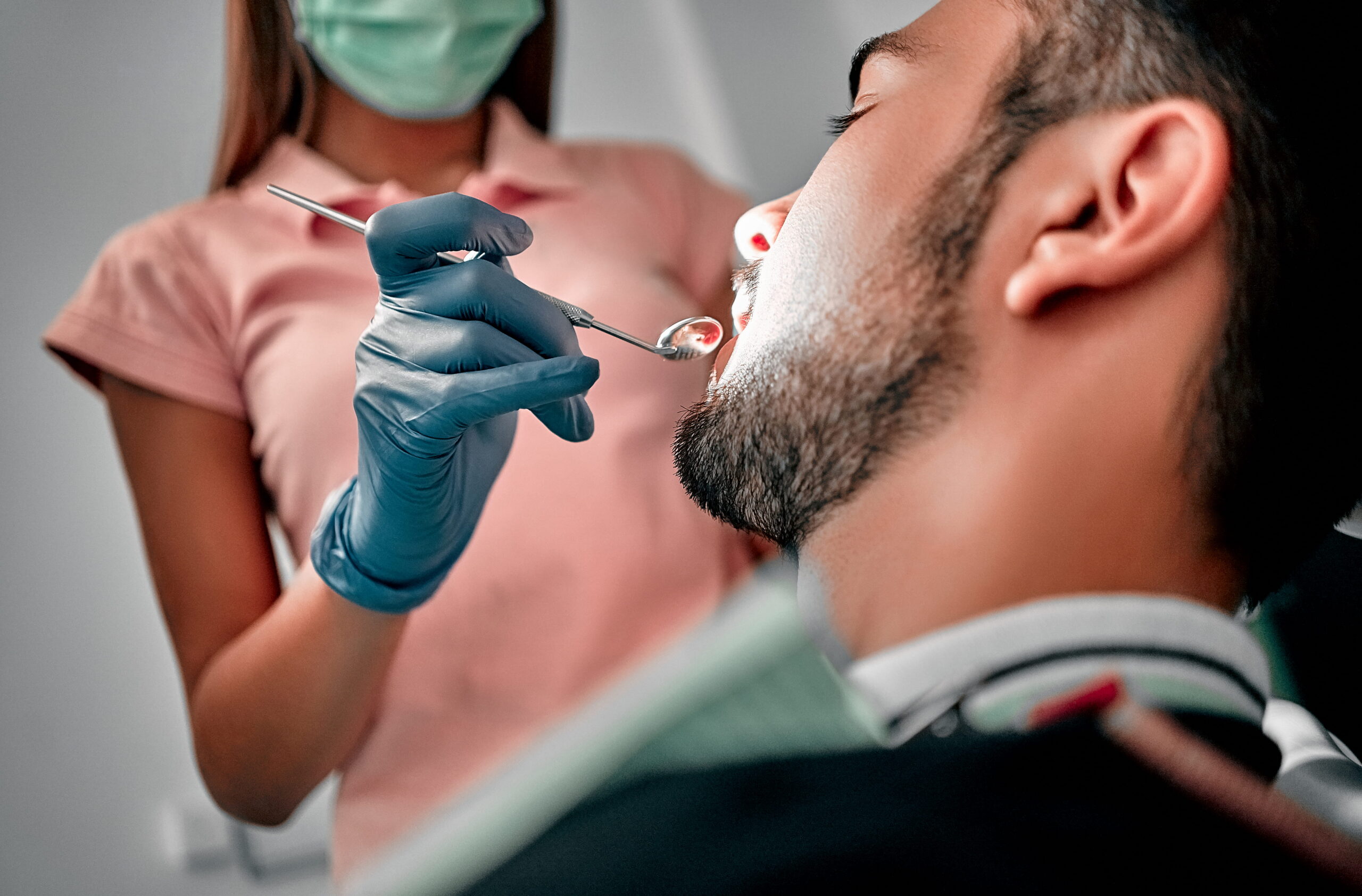
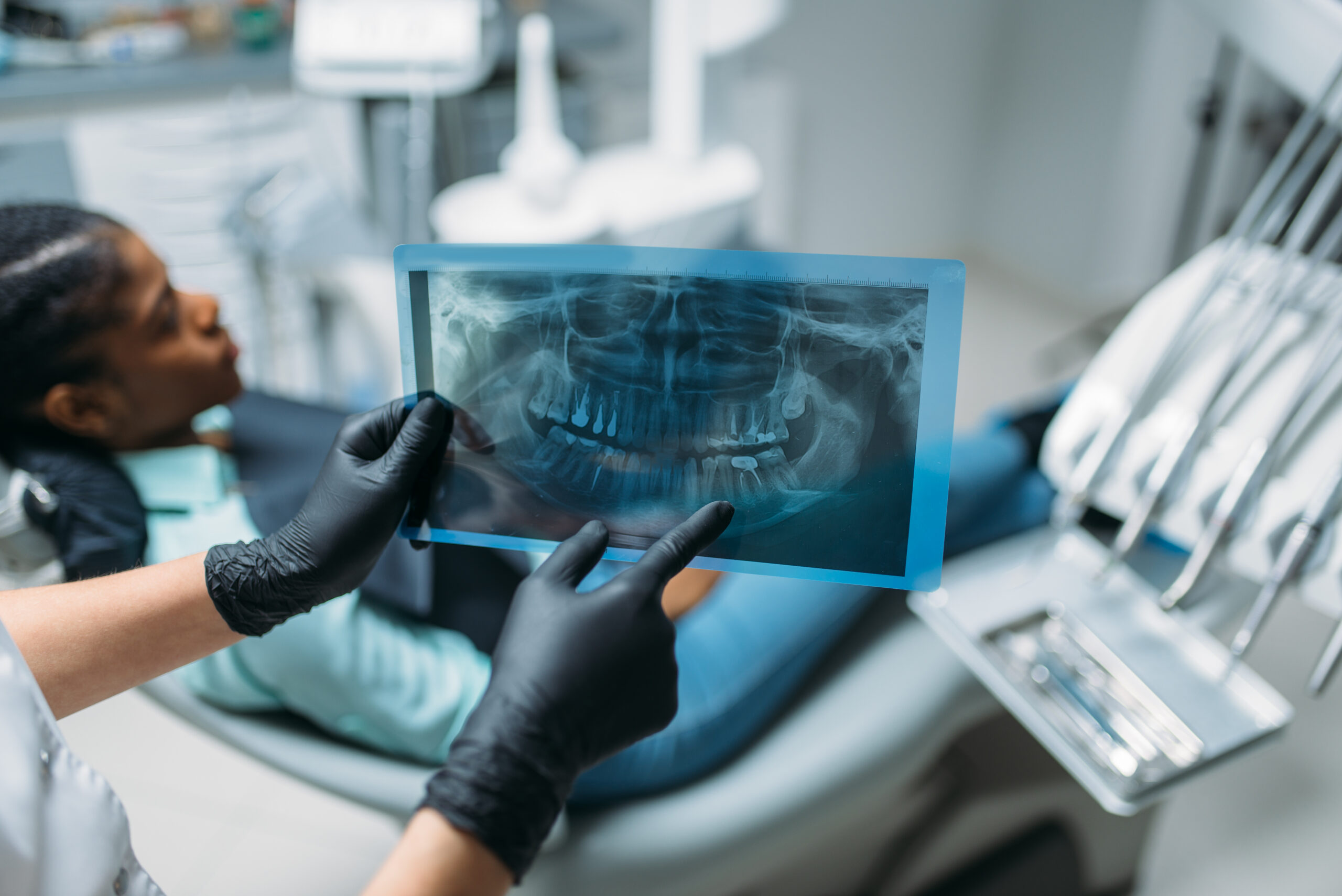
There isn’t one set price for either option, because treatment is planned around your teeth. A first appointment usually starts with an examination of your face, teeth, and bite. Your dentist or orthodontist may also suggest an X-ray. A quote can then reflect what your plan involves. Ask for it in writing so you can compare options with a clear picture.
Is Invisalign Cheaper Than Braces?
It depends on your case, so neither option is automatically cheaper. Quotes can look different because they may include different things. One might cover retainers and follow-up visits, while another may not. To compare fairly, ask each provider to list what’s included, and check which items your health fund covers.
Are Clear Aligners Right for Every Case?
Not always. Clear aligners may suit people with mild to moderate crowding, gaps between teeth, or minor bite concerns. Other cases may suit braces or another approach. Your dentist will assess your teeth, gums, and bite before recommending anything, so you can talk through the options together.
Can I Order Aligners Online Instead?
The ADA does not recommend do-it-yourself orthodontic treatment because it carries risks for your teeth, gums, and jaw joints. It advises an in-person assessment before you start, plus ongoing supervision from a dentist or orthodontist. If you’d like to see a dentist in Sunbury or nearby Gisborne VIC first, our team can explain your options.
Do I Need a Referral to See an Orthodontist?
No. Healthdirect says you don’t need a referral, and you can choose which orthodontist to see. Many general dentists also provide some orthodontic treatment, and your dentist may recommend someone if you’d like a suggestion. Your dentist and orthodontist can share information, so your care stays coordinated.
Will My Teeth Move Again After Treatment?
They can if you don’t wear your retainer as advised. A permanent retainer is a line of metal attached behind your teeth. A removable one can be taken out and is usually worn at night. Your dentist or orthodontist will explain which type suits you and how long to wear it.
Does Treatment Hurt?
Some discomfort is common. Healthdirect says braces can feel uncomfortable for a couple of days after fitting or adjusting. Some people notice mild pressure when they move to a new set of aligners. If discomfort doesn’t settle, let your dentist or orthodontist know. They can suggest ways to ease it.