Table of Contents
ToggleA tooth cracks on a Sunday night. Or pain keeps you awake and you can’t eat. On top of everything else, you’re wondering what it will cost.
This guide explains the emergency dentist cost in Australia. It covers typical fees, what changes the price, and ways to manage the bill.
How much does an emergency dentist cost?
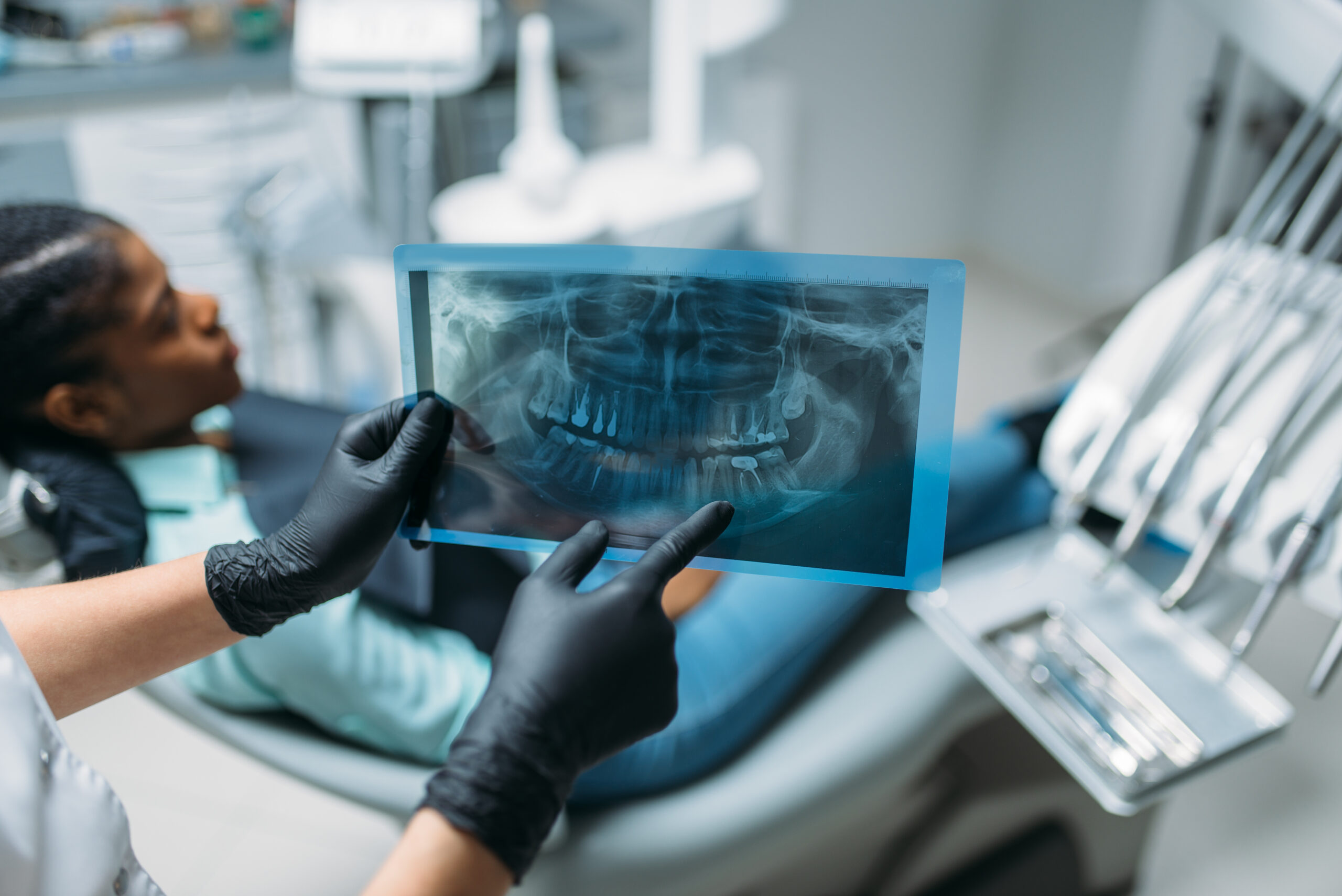
Fees vary, because each clinic sets its own prices. An emergency visit usually includes an assessment. It may also include an X-ray and help with pain. Any treatment is often charged on top.
The final cost depends on what’s wrong and what treatment you need. A small repair may cost less than a root canal or an extraction. Ask your clinic for an estimate before treatment starts. It’s also worth asking whether the consultation fee counts toward any treatment that follows.
Book a consultation today with our dental team on our online booking page. For an urgent problem, call us on (03) 9740 2048.
What counts as a dental emergency?
Not every toothache is an emergency, but some problems need quick care. Examples include a knocked-out tooth, a broken tooth with pain or bleeding, and severe toothache. Swelling in your gum or face is another reason to call.
A lost filling or crown can also be urgent if it causes pain or leaves a sharp edge.
Not sure how urgent it is? Call our team on (03) 9740 2048 and describe your symptoms. They can help you decide how soon to be seen.
What can you do before you reach a dentist?
These general first-aid steps may help while you wait for an appointment. Rinse your mouth gently with warm water. Hold a cold pack against your cheek if your face is swollen. Take pain relief exactly as the packet says. These steps don’t replace seeing a dentist.
If a tooth is knocked out, pick it up by the crown, not the root. Keep it moist, for example in milk, and take it with you. Call a dentist as soon as you can, such as our team on (03) 9740 2048.
What changes the cost?
Two emergencies can have very different bills. These things can affect the fee:
- The problem. A chipped tooth is different from an infected tooth.
- The time of day. Some after-hours services charge higher fees, which may include a call-out fee.
- X-rays. Some emergency visits include one or more images.
- The treatment. Pain relief and a temporary fix often cost less than a full repair.
- Your clinic. Fees differ between clinics and locations.
- Your health fund. Cover depends on your policy, limits and waiting periods.
What happens at an emergency visit?
Here’s what typically happens once you’re in the chair.
- Your dentist asks about your pain and checks your teeth and gums.
- They may take an X-ray to see below the surface.
- The first aim is usually to ease pain and protect the tooth. Sometimes that means a temporary filling or a quick repair.
- You may need a second visit for the final treatment.
- Your dentist explains each step and the cost along the way.
What should you ask when you call?
Calling ahead can make a stressful day easier. It helps to have a few questions ready:
- How soon can I be seen?
- What should I do until my appointment?
- What will the first visit include?
- Can I get an estimate of the cost?
- Do I need to bring my health fund details?
- What payment options are available?
Does Medicare or my health fund cover emergency dental care?
Most dental care isn’t covered by Medicare. Many people use private health insurance with dental extras to help with costs.
Check what your cover includes before you go, if you can. Ask your fund about limits and waiting periods. Bring your fund details to your visit.
Some people can use public dental services. Adults usually need a concession card, such as a Health Care Card or Pensioner Concession Card. Rules differ between states and territories.
Book a consultation today with our dental team on our online booking page. You can talk through fees and your cover.
Also read: Dental Insurance in Australia Explained: Extras Cover, Major Dental & Gap Fees
When should you go to hospital instead?
Some problems need a hospital emergency department. Go there, or call triple zero (000), if you have:
- Swelling in your face or neck that is spreading
- Trouble breathing or swallowing
- Bleeding from your mouth that won’t stop
- A serious injury to your head or face
For a knocked-out tooth, call a dentist urgently. Ask for an emergency appointment, ideally within 30 minutes.
Ways to manage the cost
You can’t plan for an emergency. You can still make the bill easier to understand:
- Ask for an estimate before treatment begins.
- Ask which treatment is urgent and which can wait.
- Check your health fund cover and limits.
- Ask about payment options if the total is high.
- Keep your regular check-ups, so small problems are found early.
- Wear a mouthguard for contact sport.
The takeaway
An emergency visit can cost more than a routine one, especially after hours. The final bill depends on the problem, the treatment and your cover. A clear estimate helps you decide.
Looking for an emergency dentist in Sunbury, Victoria? Book a consultation with our dental team on our online booking page or call us on (03) 9740 2048. You can also read about our emergency dental care in Sunbury. We’re here to help you take the next step!
Frequently Asked Questions
Does an emergency dentist cost more than a regular dentist?
It can, especially after hours, when fees may include a call-out fee. Some emergency visits also include X-rays. Ask for an estimate before treatment.
Can I claim emergency dental care on private health insurance?
Many people can claim part of the cost if they have dental extras. What you get back depends on your policy, limits and waiting periods. Check with your fund.
Should I go to a dentist or the hospital?
For most tooth problems, a dentist is the right place. Go to a hospital emergency department for spreading swelling, trouble breathing or swallowing, or heavy bleeding that won’t stop.
What counts as a dental emergency?
Examples include a knocked-out tooth, a broken tooth with pain or bleeding, severe toothache and facial swelling. If you’re unsure, call a dentist and describe your symptoms.