You catch your reflection in a window, or spot yourself in a friend’s photo, and wonder, “should I have done something about my teeth years ago? Is it too late now?” Plenty of adults quietly ask themselves the same question.
The good news is, teeth straightening for adults has now become more common, more flexible, and more discreet than it’s ever been. This guide walks you through what’s possible and the main options to consider if you are thinking of getting your teeth straightened.
Are You Ever Too Old for Orthodontic Treatment?
The simple answer: no.
Teeth can be moved at almost any age, provided the teeth and the supporting gum and bone are healthy. Adult orthodontics has grown significantly in Australia over the last decade, with patients in their 30s, 40s, and beyond choosing to straighten their teeth.
However, treatment for adults can work a little differently than it does for teenagers. Adult bone is denser and less responsive to movement, which usually means treatment takes longer.
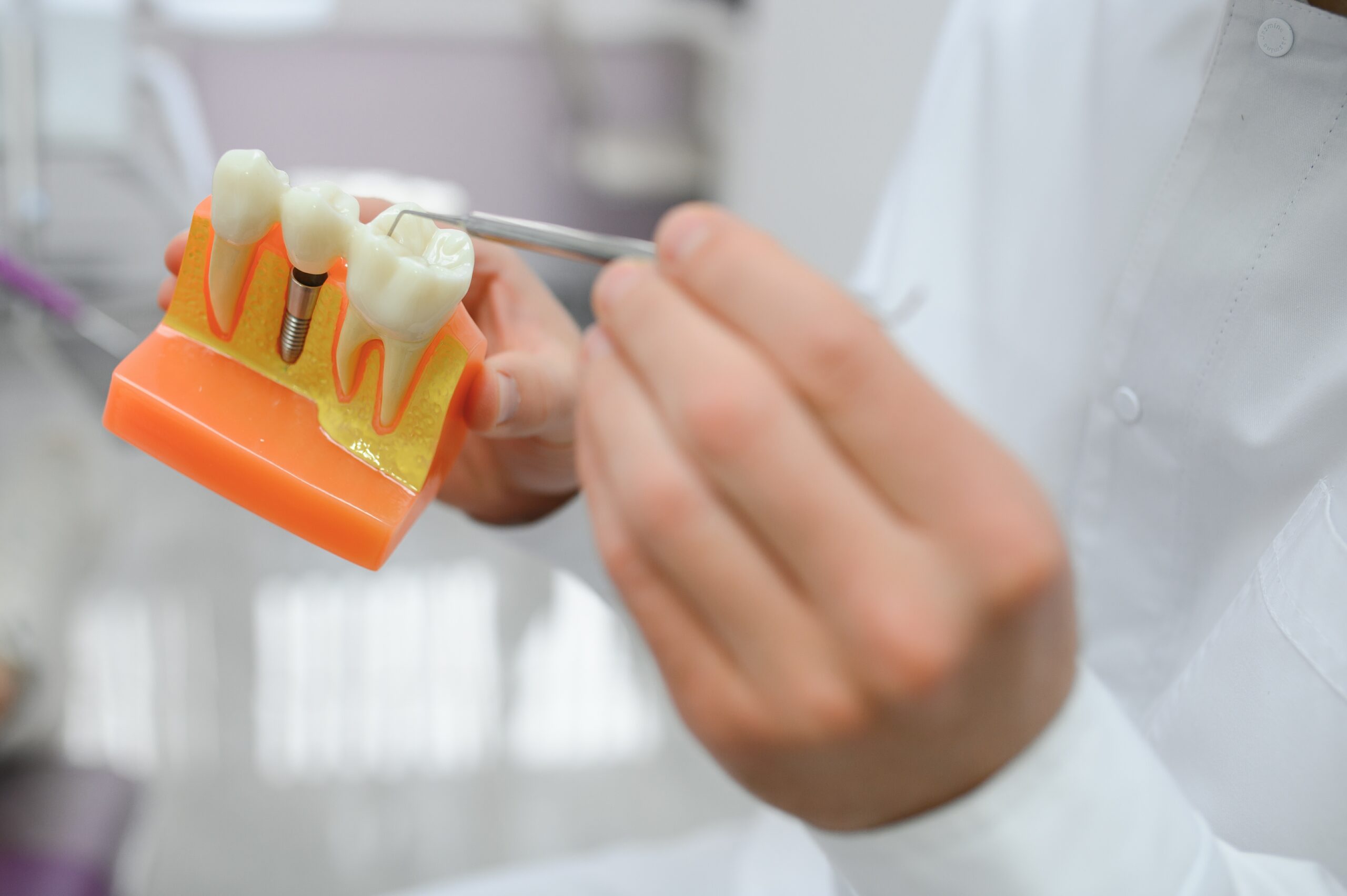
Aside from that, adults may also have existing dental work, like crowns, bridges, or fillings, that also need to be factored in when you’re thinking of getting teeth straightened for adults.
A consultation is the best way to understand what’s realistic for your individual situation.
Why Do Adults Choose to Straighten Their Teeth?
Adults pursue orthodontic treatment for a mix of reasons:
- Cosmetic concerns — feeling self-conscious about crooked, crowded, or gappy teeth.
- Bite issues — an uneven bite can contribute to jaw discomfort, uneven wear on teeth, and difficulty chewing.
- Oral health — crowded teeth are harder to clean and can be more prone to plaque build-up and gum issues.
- Relapse from earlier treatment — teeth that were straightened in childhood can shift again over time, particularly if retainers were not worn long-term.
- Confidence — many simply want to feel more comfortable smiling in photos, at work, or at social events.
Teeth Straightening Options for Adults
Like teenagers, there’s more than one way to straighten teeth, and the right approach depends on the complexity of your case, your lifestyle, and your budget.
Clear Aligners (Including Invisalign)
Clear aligners are a popular option for Invisalign for adults and other clear-aligner brands.
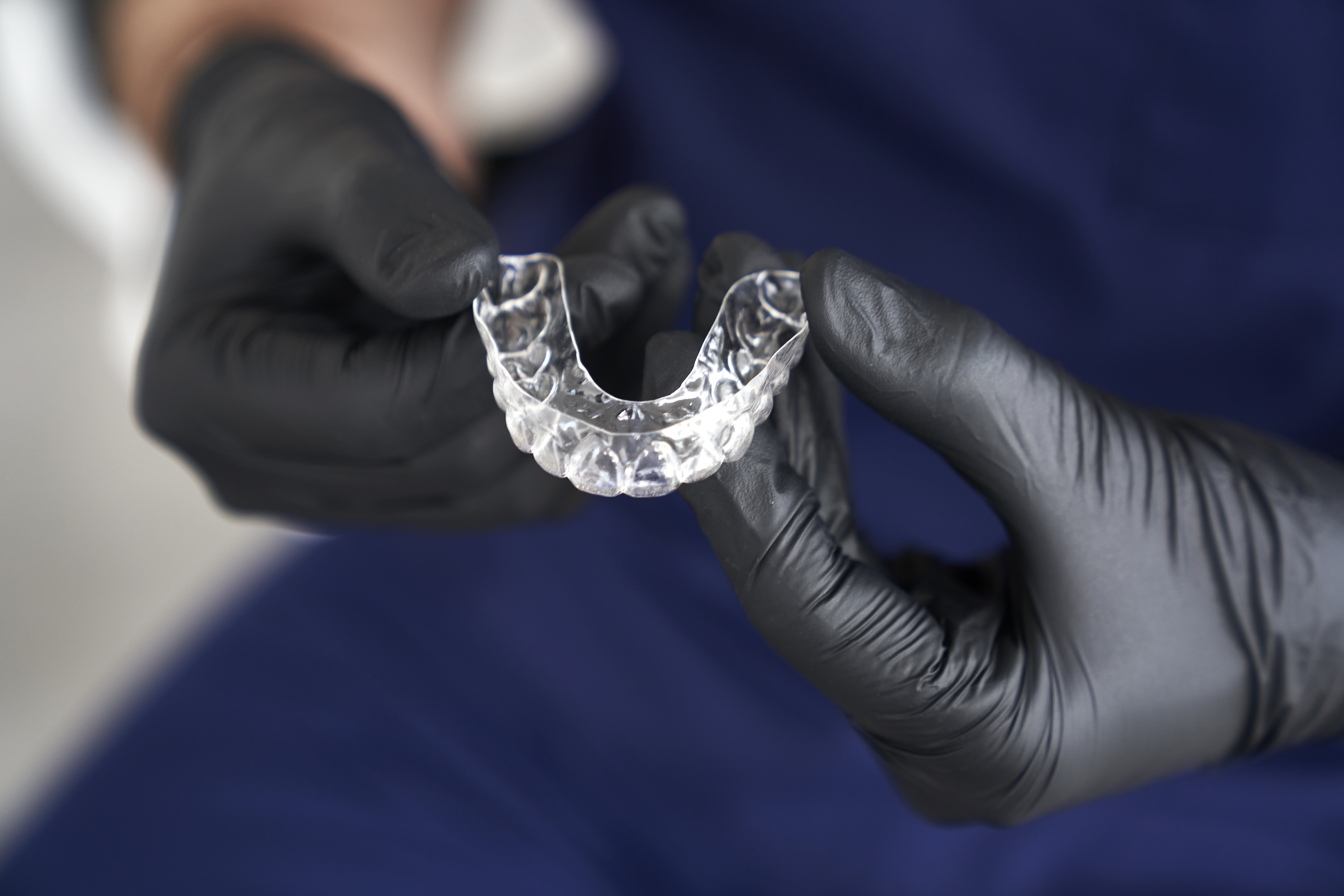
They use a series of clear, custom-made trays that gradually move your teeth. They are removable and virtually invisible, which tends to suit adults who want a discreet option for work or social settings.
Mild to moderate alignment issues are usually well suited to aligner treatment, while more complex cases may need a different approach.
If you’re looking for clear aligner treatment in Sunbury, our team at Vineyard Dental Clinic can help you understand if this option is for you. We also carry Invisalign at our clinic.
Traditional Metal Braces
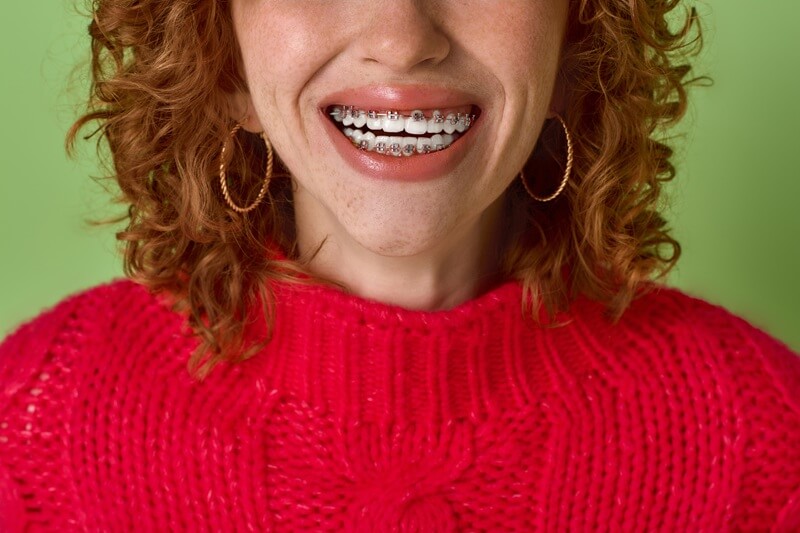
Metal braces still remain a reliable option, especially for more complex bite or alignment issues. They’re fixed to the teeth, so there’s no risk of forgetting to wear them.
The trade-off of this is its visibility since metal brackets and wires are noticeable, which can be a consideration for adults in client-facing roles.
Ceramic Braces
Ceramic braces work the same way as metal braces but use tooth-coloured or clear brackets that blend in more naturally. Ceramic braces for adults can be a middle-ground choice for those who want fixed braces but prefer something more discreet.
Lingual or Hidden Braces
Lingual braces, sometimes called hidden braces, sit on the inside surfaces of the teeth, making them virtually invisible from the front. They tend to take some getting used to and may not be available at every practice.
Cosmetic Alternatives (Not True Straightening)
For purely cosmetic concerns, like small chips, minor gaps, or slight irregularities, some adults consider options like teeth bonding or veneers. These may not move teeth like clear aligners or braces, but they can change the appearance of the smile. Whether this is appropriate depends on what’s bothering you about your teeth and the underlying bite.
While these are great options, a thorough consultation with a dentist should be done first to know which options fit well for your case.
How Long Does Teeth Straightening Take for Adults?
Treatment length depends on the complexity of the case and the type of treatment chosen. Mild alignment issues with clear aligners may take less time, while more involved cases with fixed braces can take longer.
Because adult bone is denser, treatment may take longer than it would for a teenager with a similar case. Your dentist or orthodontist can give you an estimated timeline after a full assessment.
How Much Do Adult Braces Cost?
Adult braces cost can vary quite a bit depending on the treatment chosen, the complexity of the case, and how long treatment takes. Clear aligners, ceramic braces, and lingual braces each sit at different price points, with metal braces often being the most affordable option.
Many private health funds offer orthodontic cover, though it’s usually separate from general dental, has its own annual limit, and a longer waiting period. The most accurate way to understand the cost is through a personalised consultation and quote.
For us at Vineyard Dental Clinic, we can offer you a detailed quotation for your treatment during your consultation. We also accept dental payment plans to help you with the cost.
Is Getting Braces as an Adult Right for You?
Before starting any orthodontic treatment, your dentist will usually want to make sure your teeth and gums are healthy. That often means starting with a check-up and clean to address any underlying issues. From there, factors like your goals, lifestyle, and the complexity of your case all play a part in choosing the right path.
It’s Never Too Late to Straighten Your Teeth
Whether you’re considering teeth straightening options for adults for cosmetic reasons or to address a long-standing bite issue, there are more choices today than ever before, and age really isn’t the barrier it once seemed to be.
If you’re looking to consider clear aligners or understand your options, get in touch with Vineyard Dental Clinic in Sunbury today.
Book a consultation to let our team walk you through your options and help you find the approach that suits your goals.
Frequently Asked Questions
Can adults over 40 get braces or clear aligners?
Yes. Many people in their 40s, 50s, and beyond still pursue orthodontic treatment, and an orthodontist consultation for adults over 40 is increasingly common. As long as your teeth and gums are healthy, age on its own isn’t usually a reason to rule out treatment.
Your dentist can assess your individual situation and recommend the most suitable approach.
Are clear aligners better than braces for adults?
It depends on the case. Clear aligners are popular for adults because they’re discreet and removable, but they may not be the best option for every type of bite or alignment issue.
More complex cases can sometimes be better treated with fixed braces. The comparison between clear aligners vs traditional braces really comes down to your individual needs.
How long does teeth straightening take for adults?
Treatment length varies based on the complexity of the case and the chosen method. Mild cases with clear aligners can take less time, while more involved cases with fixed braces may take longer.
Adult teeth often move more slowly than teenage teeth because of denser bone, so timelines can differ from those quoted for children or teens.
Does adult orthodontic treatment hurt?
Most patients describe orthodontic treatment as uncomfortable rather than painful, particularly in the first few days after a new aligner or after braces are adjusted.
The discomfort usually settles within a few days. Your dentist can offer suggestions for managing any soreness.
Will my health fund cover adult braces?
Many private health funds in Australia offer orthodontic cover as part of higher-level extras policies. It’s typically separate from general dental, with its own annual limit and a longer waiting period, often 12 months or more.
Check with your fund and ask for an estimate of your rebate before committing to treatment.
Can I get my teeth straightened if I have crowns, fillings, or implants?
In many cases, yes — existing dental work doesn’t automatically rule out orthodontic treatment. However, dental implants don’t move the way natural teeth do, and certain restorations may affect the choice of attachment points. Your dentist will assess this during your consultation.