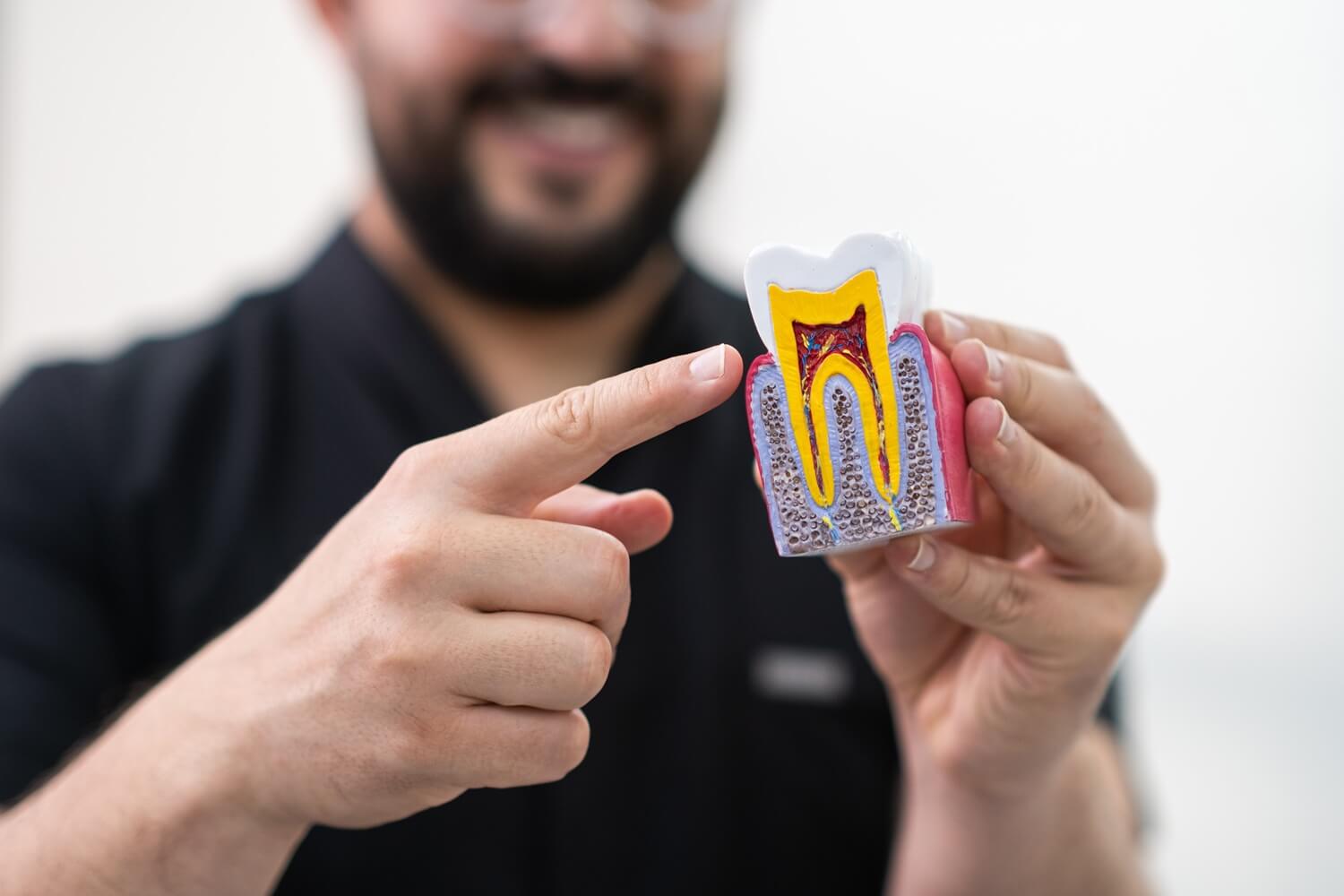
It’s a thought many parents have had: if baby teeth are just going to fall out anyway, does it really matter if they get a cavity or two? It’s an understandable question, but the answer might surprise you.
Baby teeth play a far more important role in your child’s dentistry development than most people realise, and looking after them has a direct impact on your child’s long-term oral health.
Here’s what you need to know about why baby teeth matter and how to set your child up for a healthy smile that lasts a lifetime.
What Are Baby Teeth?
Baby teeth are the first set of teeth that develop in early childhood. Most children begin teething around six months of age, and by the age of three, a full set of 20 primary teeth is usually in place.
These teeth gradually fall out and are replaced by permanent adult teeth, a process that typically begins around age six and continues through to the early teenage years.
While they are only in place for a limited time, the role they play during that window is still significant.
The Role of Baby Teeth in Development
Speech and Communication
One of the most important and often overlooked roles of baby teeth is their contribution to speech development. Teeth are essential for forming many sounds, particularly consonants like “s”, “t”, “d”, “f”, and “v”.
When baby teeth are missing or severely decayed, it can affect the way a child articulates these sounds, potentially leading to speech delays or habits that become harder to correct over time.
The role of baby teeth in speech and chewing is something speech therapists and dentists alike are well aware of, and it’s one of the strongest arguments for keeping primary teeth healthy for as long as possible.
Chewing and Nutrition
Primary teeth development is closely tied to a child’s ability to eat a varied and nutritious diet. Baby teeth allow children to bite and chew food properly, which is essential not just for digestion but for developing healthy eating habits.
A child with significant tooth pain or missing teeth may avoid certain foods, which can affect their nutrition and overall growth.
Guiding Adult Teeth Into Position
Perhaps the most critical long-term function of baby teeth is their role as space holders for the permanent teeth developing beneath them.
Baby teeth help guide adult teeth into their correct positions as they emerge. When a primary tooth is lost too early, the surrounding teeth can drift into the empty space, leaving insufficient room for the permanent tooth to come through correctly.
This is one of the key reasons why baby teeth need dental treatment when problems arise, rather than simply waiting for them to fall out naturally. Early tooth loss can contribute to crowding, misalignment, and the need for orthodontic treatment later in life.
Preventing Decay in Baby Teeth
Early childhood dental care plays a crucial role in preventing decay in baby teeth. According to the Australian Dental Association, about 34% of Australian kids aged 5-6 years have experienced dental decay in their primary or baby teeth. However, this type of issue is still largely preventable with habits imposed on kids early on.
A few practical steps that support children’s oral health development:
- Start early — begin cleaning your baby’s gums with a soft, damp cloth even before teeth appear. Once the first tooth emerges, switch to a soft-bristled infant toothbrush.
- Use the right amount of toothpaste — for children under 18 months, water only is recommended. From 18 months to six years, a small pea-sized amount of low-fluoride children’s toothpaste is appropriate.
- Limit sugary foods and drinks — frequent exposure to sugar is the primary driver of decay. This includes fruit juice and flavoured milk, which many parents don’t realise can contribute to cavities.
- Don’t share utensils — the bacteria that cause tooth decay can be transferred from adult to child through shared spoons, cups, or by cleaning a dummy with your mouth.
- Book their first dental visit early — children should ideally see a dentist by their first birthday, or when their first tooth appears. Early visits help establish a positive relationship with dental care and allow any concerns to be identified and addressed promptly.
When Babies’ Teeth Need Dental Treatment
A common misconception is that cavities in baby teeth don’t need to be filled because the tooth will fall out eventually. This isn’t the case.
Untreated decay can progress quickly in primary teeth, causing pain, infection, and the premature loss of the tooth, with all the knock-on effects that come with it.
If your child complains of tooth pain, you notice visible discolouration or spots on their teeth, or you’re concerned about their dental development, it’s worth booking an appointment with a children’s dentist sooner rather than later.
If you’re ever in Sunbury, VIC, our team at Vineyard Dental Clinic offers comprehensive children’s dentistry services in a welcoming, gentle environment that helps young patients feel at ease from their very first visit.
Early Dental Care Is a Gift That Lasts a Lifetime
The habits and health foundations established in early childhood carry through into adulthood. A child who grows up with healthy teeth, positive dental experiences, and good oral hygiene habits is far more likely to carry those habits forward, and far less likely to face serious dental issues later in life.
Baby dental care isn’t just about keeping small teeth clean. It’s about setting the stage for a lifetime of confident, healthy smiles.
If you’re looking for children’s dental services in Sunbury, VIC, Vineyard Dental Clinic is here to help your children’s teeth develop well. Our team will take the time to assess their teeth well, offer guidance on how to look after them and make them feel comfortable early when going on dental visits.
Book an appointment today as we welcome your family to our clinic in Sunbury.
Frequently Asked Questions
When should my child first see a dentist?
Most dental associations recommend bringing your child in for their first visit by their first birthday, or when their first tooth appears, whichever comes first. Early visits help identify any concerns early and establish a positive, comfortable relationship with dental care from a young age.
Do baby teeth really need to be filled?
Yes. Even when they are temporary, untreated decay in baby teeth can cause pain, infection, and premature tooth loss, which can affect the alignment of permanent teeth. Treating cavities in primary teeth is important for your child’s comfort and their long-term dental development.
How do I brush my baby’s teeth?
Use a soft-bristled infant toothbrush and water until 18 months, then introduce a small amount of low-fluoride children’s toothpaste. Brush gently twice a day, covering all surfaces of each tooth and along the gumline. Make it a fun, consistent part of your child’s routine from the start.
What causes tooth decay in young children?
Tooth decay in children is primarily caused by frequent exposure to sugars from food, drinks, and even breast milk or formula when feeding is prolonged overnight. The bacteria in the mouth feed on these sugars and produce acids that erode tooth enamel over time.
When do baby teeth start falling out?
Most children begin losing their baby teeth around age six, starting with the lower front teeth. The process continues through to around age 12 to 13, by which time most permanent teeth have come through. Some variation in timing is completely normal.
Can decay in baby teeth affect permanent teeth?
Yes, a severe infection in a baby tooth can potentially affect the developing permanent tooth beneath it. This is another important reason why dental issues in primary teeth should be addressed promptly rather than left untreated.