Life gets busy, and the dentist can easily fall off the priority list, especially when nothing is obviously wrong. But here’s the thing about dental problems: they rarely announce themselves early.
By the time a tooth starts hurting or a gum issue becomes noticeable, it’s often already progressed further than it needed to.
Regular dental check-ups are one of the simplest and most effective things you can do for your long-term oral health and your overall wellbeing. Here’s why they matter more than most people realise.
What Happens at a Routine Dental Check-Up?
A routine dental examination is more than just a quick look around your mouth. A standard check-up and clean at Vineyard Dental Clinic typically involves:
- A thorough examination of your teeth, gums, and soft tissues
- Checking for signs of tooth decay, gum disease, and other concerns
- Professional teeth cleaning and check-up to remove plaque and tartar that regular brushing can’t address
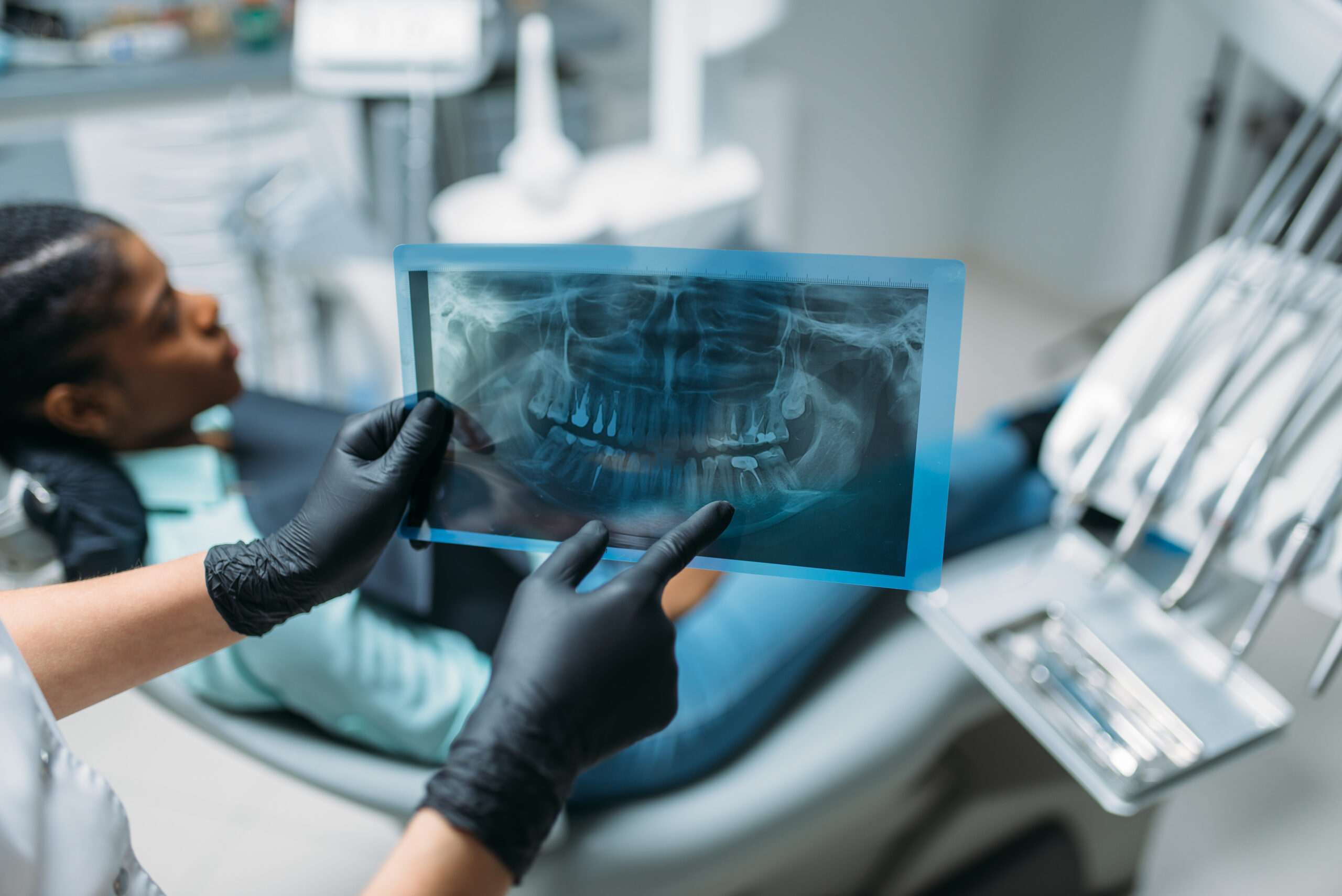
- X-rays, when needed, to identify issues that are not visible to the naked eye
- A review of your oral hygiene habits and personalised advice for improvement
- Screening for early signs of oral cancer and other conditions
The whole appointment is designed to give your dentist a complete picture of your oral health and to catch anything that needs attention before it becomes a bigger problem.
The Case for Preventive Dental Care
Preventive dental care is built on a simple idea: it’s far easier and less costly to prevent dental problems than to treat them after the fact. A cavity caught early can be addressed with a small filling.
When left untreated, that same cavity can progress to the point where a crown, root canal treatment, or even extraction becomes necessary.
The same principle applies to gum disease. In its earliest stage (gingivitis), it can often be reversed with a professional cleaning and an improved home care routine. Once it advances to periodontitis, the damage to the supporting bone and tissue becomes much harder to manage.
We covered the early warning signs in detail in our article on early signs of gum disease, and it’s worth a read if you’ve ever noticed your gums bleeding when you brush.
Regular dental check-ups are the cornerstone of preventive dental care and the most reliable way to stay ahead of issues before they escalate.
Early Detection of Dental Problems
One of the most significant benefits of regular dentist visits is early detection. Many of the most common dental conditions, like decay, gum disease, cracked teeth, and even oral cancer, can be present without causing any symptoms in their early stages.
By the time pain or visible changes appear, the condition may already be well advanced.
During a routine dental examination, your dentist is trained to spot the subtle signs that something is not quite right, including changes in the gum tissue, areas of early demineralisation on the enamel, or early bone loss visible on X-rays. Catching these things early means simpler, faster, and more affordable treatment.
Preventing Tooth Decay and Gum Disease
Tooth decay and gum disease are two of the most prevalent dental conditions in Australia, and both are largely preventable with the right combination of home care and professional attention.
Plaque is the primary driver of both conditions. While brushing and flossing remove most of it, plaque that is not consistently cleared hardens into tartar, which can only be removed professionally. A regular professional teeth cleaning and check-up ensures this build-up is addressed before it creates problems at the gumline or on the tooth surface.
Your dentist can also apply preventive treatments during check-up appointments, such as fluoride applications or fissure sealants for children, which provide an added layer of protection against decay.
Oral Health Maintenance and Overall Health
The connection between oral health and general health is well established. Gum disease in particular has been linked to a range of systemic conditions, including cardiovascular disease, diabetes, and complications during pregnancy. Maintaining good oral health is not just about your smile, but an investment in your overall well-being.
Regular check-ups also give your dentist the opportunity to monitor changes over time. A dentist who sees you consistently is far better placed to notice subtle shifts in your oral health than one who is meeting you for the first time.
How Often Should You Have a Dental Check-Up?
For most adults, a check-up every six months is a widely recommended starting point for oral health maintenance. However, this is not a one-size-fits-all rule.
Patients with a history of gum disease, a higher risk of decay, or certain medical conditions may benefit from more frequent visits, sometimes every three to four months.
Your dentist will recommend an appropriate check-up schedule based on your individual oral health needs. The key is consistency. Regular visits at whatever interval suits your situation are far more beneficial than sporadic appointments when something goes wrong.
Prevention Is Always Better Than Cure
It’s one of the oldest pieces of health advice around, and in dentistry, it’s especially true. A thirty-minute check-up appointment twice a year is a small investment of time that can prevent significant pain, inconvenience, and expense down the track.
If you’re in Sunbury, VIC and are looking for a dental clinic that offers comprehensive dental check-ups and cleanings, our team at Vineyard Dental Clinic is here to help you stay on top of your oral health and keep your smile in great shape for the long term.
Set up a schedule with our dentists today.
Frequently Asked Questions
How often should I have a dental check-up?
For most people, a check-up every six months is a good baseline. However, your dentist may recommend more frequent visits depending on your individual oral health history, risk factors, and any ongoing conditions being monitored.
What does a routine dental check-up involve?
A routine check-up typically includes an examination of your teeth, gums, and soft tissues, a professional clean to remove plaque and tartar, X-rays when required, and personalised advice on your oral hygiene routine. The aim is to identify and address any concerns early.
Can a dental check-up detect serious conditions?
Yes, routine dental examinations include screening for early signs of oral cancer, gum disease, tooth decay, and other conditions that may not yet be causing symptoms. Early detection significantly improves treatment outcomes across all of these.
Why do my gums bleed at the dentist even though I brush regularly?
Bleeding gums can be an early sign of gingivitis, even in people who brush consistently. It may indicate that plaque is building up in areas that are difficult to clean at home, or that your brushing technique needs adjustment.
Our dentists at Vineyard Dental Clinic can assess the cause and recommend the right course of action.
Is a dental check-up covered by health insurance?
Many private health insurance policies with extras cover include a set number of check-ups and clean appointments per year. We recommend checking with your health fund to understand your entitlements, and our team at Vineyard Dental Clinic is happy to assist with any questions during your visit.
What if I haven’t been to the dentist in a long time?
It’s never too late to restart your dental care routine. Your dentist will not judge you for the gap. Their focus is on assessing where things are now and putting a plan in place to get your oral health back on track. The sooner you come in, the sooner any issues can be addressed.