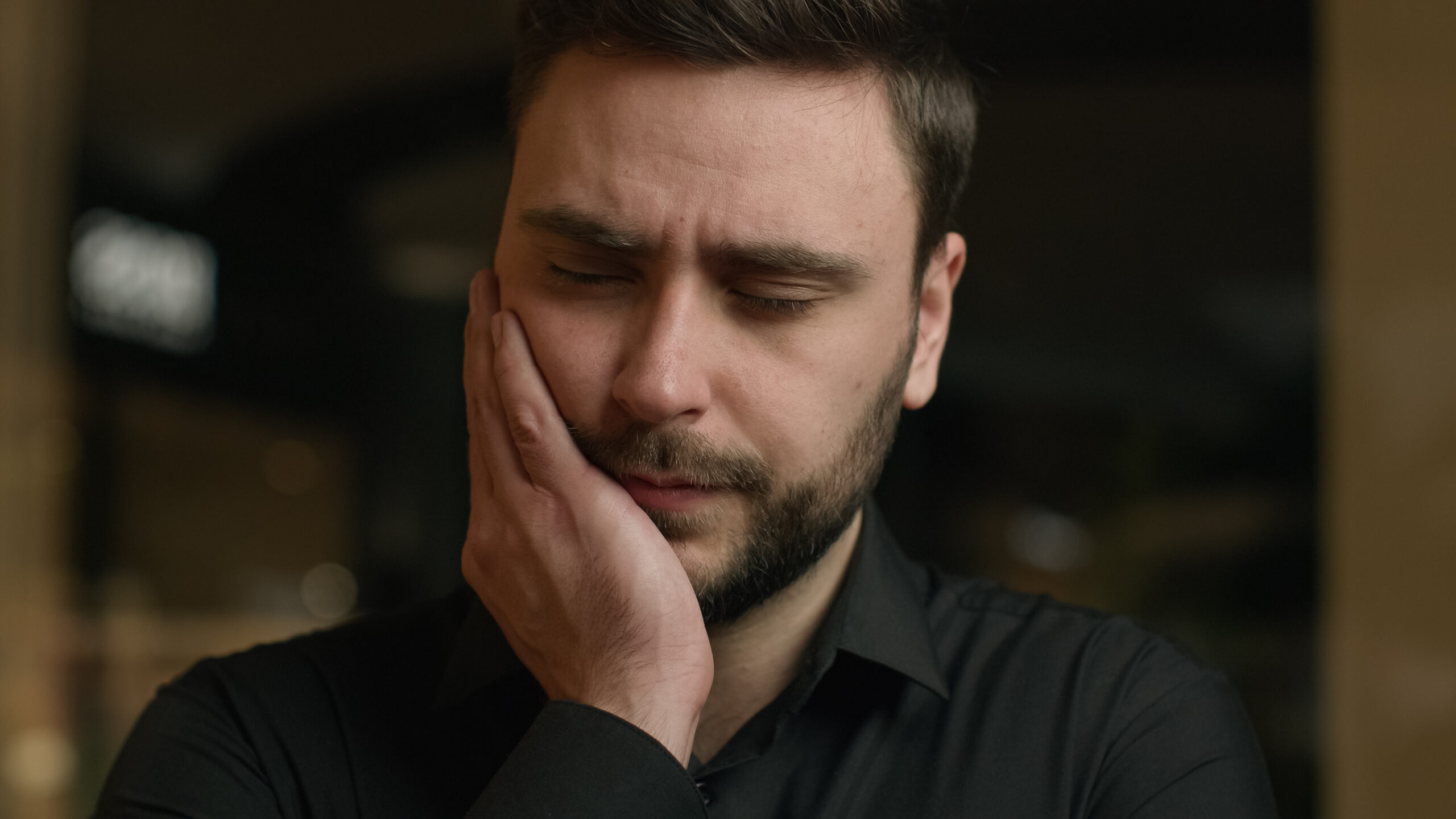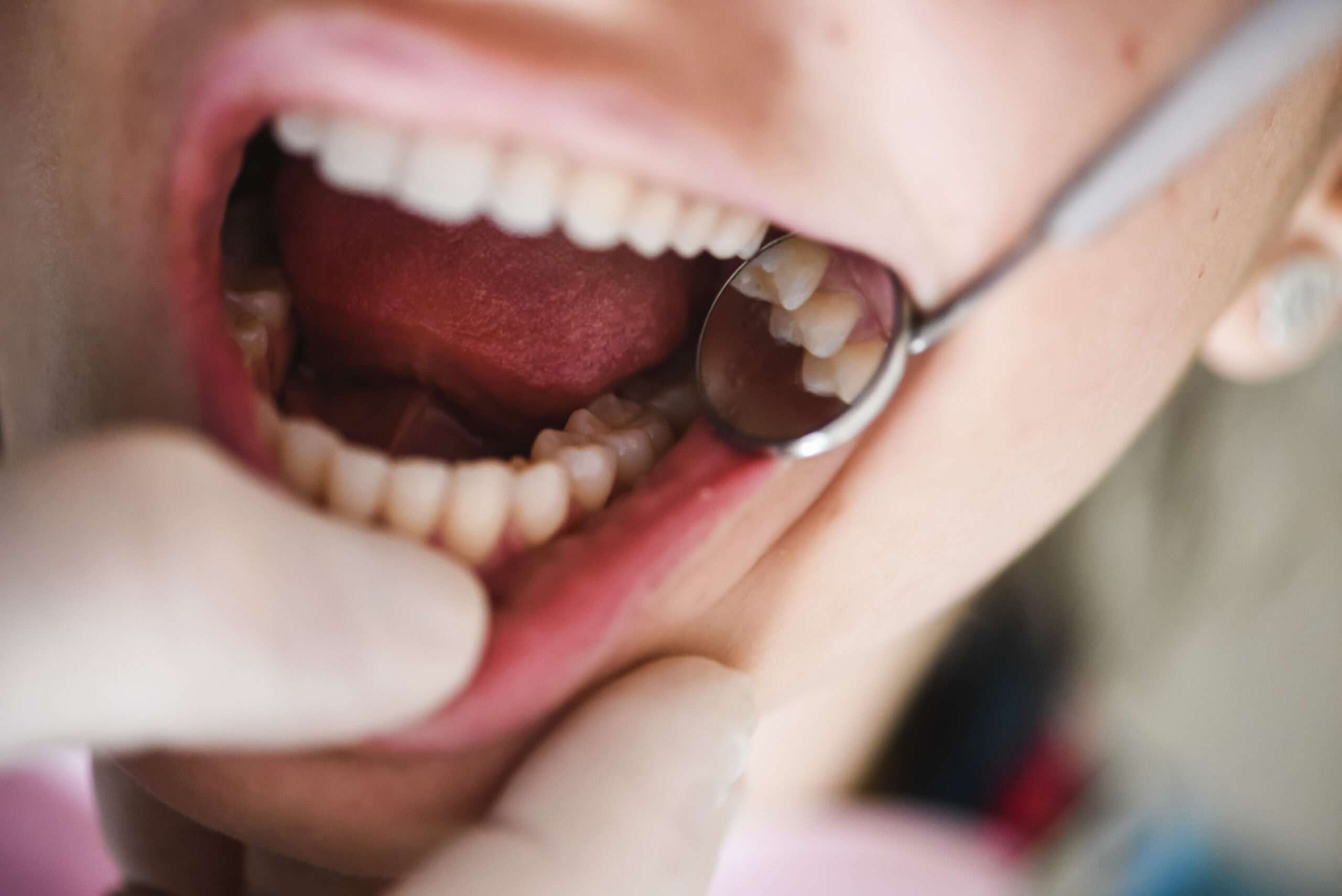
Has a partner ever mentioned hearing you grind your teeth at night? Or maybe you’re the one waking up with a sore jaw or a dull headache, with no obvious cause.
These are classic signs that a mouth guard for teeth grinding might be worth looking into.
This guide explains how custom night guards actually work, how they differ from the ones you can grab off a shelf, and when it’s genuinely time to get one made.
What Is Bruxism, and What Causes It?
Bruxism is the medical term for grinding or clenching your teeth outside of normal chewing. If you’re wondering about what bruxism symptoms and causes are, they are often linked to stress and anxiety, and other factors can contribute too.
Many people are also confused about the difference between sleep bruxism vs awake bruxism. Sleep bruxism happens unconsciously overnight, while awake bruxism tends to show up as clenching during stressful or highly focused moments during the day.
However, stress-related teeth grinding is common in both forms, though the two can call for slightly different management approaches. We’ve covered the wider health impacts, including the headache connection, in more depth in our guide to bruxism and headaches.
Signs You Might Need a Mouth Guard for Teeth Grinding
A few signs are worth paying attention to:
- Teeth grinding jaw pain or soreness, particularly noticeable first thing in the morning
- Waking up with a headache, without an obvious other cause
- A partner or family member mentioning they’ve heard grinding at night
- Visibly worn, flattened, or chipped teeth
- Increased tooth sensitivity
If any of this sounds familiar, a night guard for teeth grinding is one of the most common and effective ways to protect your teeth from further damage. A well-fitted teeth grinding mouth guard can make a genuine difference to both your comfort and your long-term tooth wear.
How Does a Custom Night Guard Actually Work?
A custom night guard, sometimes called an occlusal splint, is a dental night guard made from a mould taken of your own teeth. It’s worn over your teeth, usually at night, to create a barrier between your upper and lower teeth.
Worth knowing upfront: a bruxism night guard doesn’t necessarily stop the grinding motion itself. Its main job is to absorb the force, protecting your enamel and reducing strain on your jaw muscles rather than eliminating the habit entirely.
Custom Night Guard vs Over-the-Counter Options
According to the Australian Dental Association’s consumer resource, an occlusal splint is custom-made by your dentist to suit your individual needs, and is different to a generic sports mouthguard you might buy at a pharmacy or sports store.
Here’s how the two generally compare:
- Custom mouth guard for teeth grinding (dentist-made). Fitted from an impression of your own teeth, offering a precise, comfortable fit that’s easier to wear consistently through the night.
- Over-the-counter or boil-and-bite guards. Cheaper and available without a dental visit, but often bulkier, less accurate in fit, and can be less effective at properly distributing grinding force.
Night guard material types also vary, from firmer acrylic guards suited to heavier grinders, through to softer or dual-laminate options for milder cases. Your dentist can recommend the right material based on how severe your grinding is.
How Long Do Night Guards Last?
How long night guards last generally depends on the material chosen, how heavily you grind, and how well the guard is cared for between uses. Custom guards are generally built to withstand regular wear better than store-bought versions, though all night guards will eventually need replacing as they show signs of wear.
What About Cost?
Night guard cost in Australia also varies depending on the material used, the complexity of the fitting, and your individual case, so it’s not something we can quote a fixed figure for here.
Some private health funds may provide a benefit toward custom night guards under general or major dental, depending on your policy, so it’s worth checking with your fund. The best way to get an accurate cost is a consultation, where your dentist can assess your bite and grinding severity.
When Jaw Pain Points to Something More: TMJ
In some cases, TMJ disorder and teeth grinding go hand in hand, since ongoing grinding can put extra strain on the jaw joint itself. It’s worth mentioning to your dentist if you notice:
- Clicking or popping in the jaw joint
- Persistent jaw pain or soreness
- Difficulty opening your mouth fully
These signs alongside your grinding may need a broader treatment approach beyond a night guard alone.
Protecting Your Smile While You Sleep
A custom night guard is one of the simplest, most effective ways to protect your teeth from the effects of grinding, without needing to solve the underlying cause overnight.
If you think you might be grinding your teeth, or a partner has mentioned it to you, maybe a dental check-up and clean can help you. Contact our team at Vineyard Dental Clinic in Sunbury, VIC, and we’ll help you understand your condition better
Book a consultation with our team.
Frequently Asked Questions
How do I know if I need a night guard for grinding teeth?
Common signs include jaw soreness, morning headaches, a partner noticing grinding sounds at night, or visibly worn teeth. If any of these sound familiar, it’s worth having your dentist take a look.
Will a night guard stop me from grinding my teeth?
Not necessarily. A night guard mainly protects your teeth from the force of grinding, rather than stopping the habit itself. Managing stress and other underlying causes often plays a role alongside wearing a guard.
Is a custom night guard better than a store-bought one?
Generally, yes. A custom night guard is fitted from an impression of your own teeth, offering a more precise, comfortable fit than a generic or boil-and-bite option, which can make it easier to wear consistently.
How long does a custom night guard take to make?
This varies by clinic and lab turnaround, but it typically involves an initial appointment to take an impression, followed by a fitting appointment once the guard has been made. Your dentist can give you a clearer timeframe for your specific case.
Can children use a night guard for teeth grinding?
Yes, though many children grow out of teeth grinding naturally. If grinding is affecting a child’s teeth or sleep, a dentist can assess whether a guard is appropriate.
Will my health fund cover the cost of a night guard?
This depends on your specific policy. Some funds provide a benefit under general or major dental for custom night guards, so it’s worth checking directly with your provider.