
When should your child first see a dentist?
How do you brush a wriggling toddler’s teeth without it turning into a wrestling match?
What on earth is the CDBS?
If you’re a parent in Sunbury trying to do right by your child’s smile, you’ve probably asked at least one of these questions. This guide pulls the essentials together, from your child’s first appointment to looking after baby teeth and making the most of the Child Dental Benefits Schedule.
When Should Children First See a Dentist?
The general guidance in Australia is that children should have their first dental visit by their first birthday, or within six months of their first tooth appearing, whichever comes first. That can feel surprisingly early, but the goal isn’t a full check-up like an adult would have.
It’s more about gently introducing your child to the dental setting, letting your dentist take a quick look, and giving you a chance to ask questions about brushing, feeding, and what to expect as more teeth come through.
A positive first visit to a friendly kids dentist near you lays the foundation for a lifetime of comfortable dental appointments. Children who become familiar with the sights, sounds, and people at the dental clinic from a young age tend to feel far less anxious about visits later on.
What Happens at a Child’s First Dental Appointment?
A first visit is usually short, gentle, and conversational. Your dentist for kids will typically:
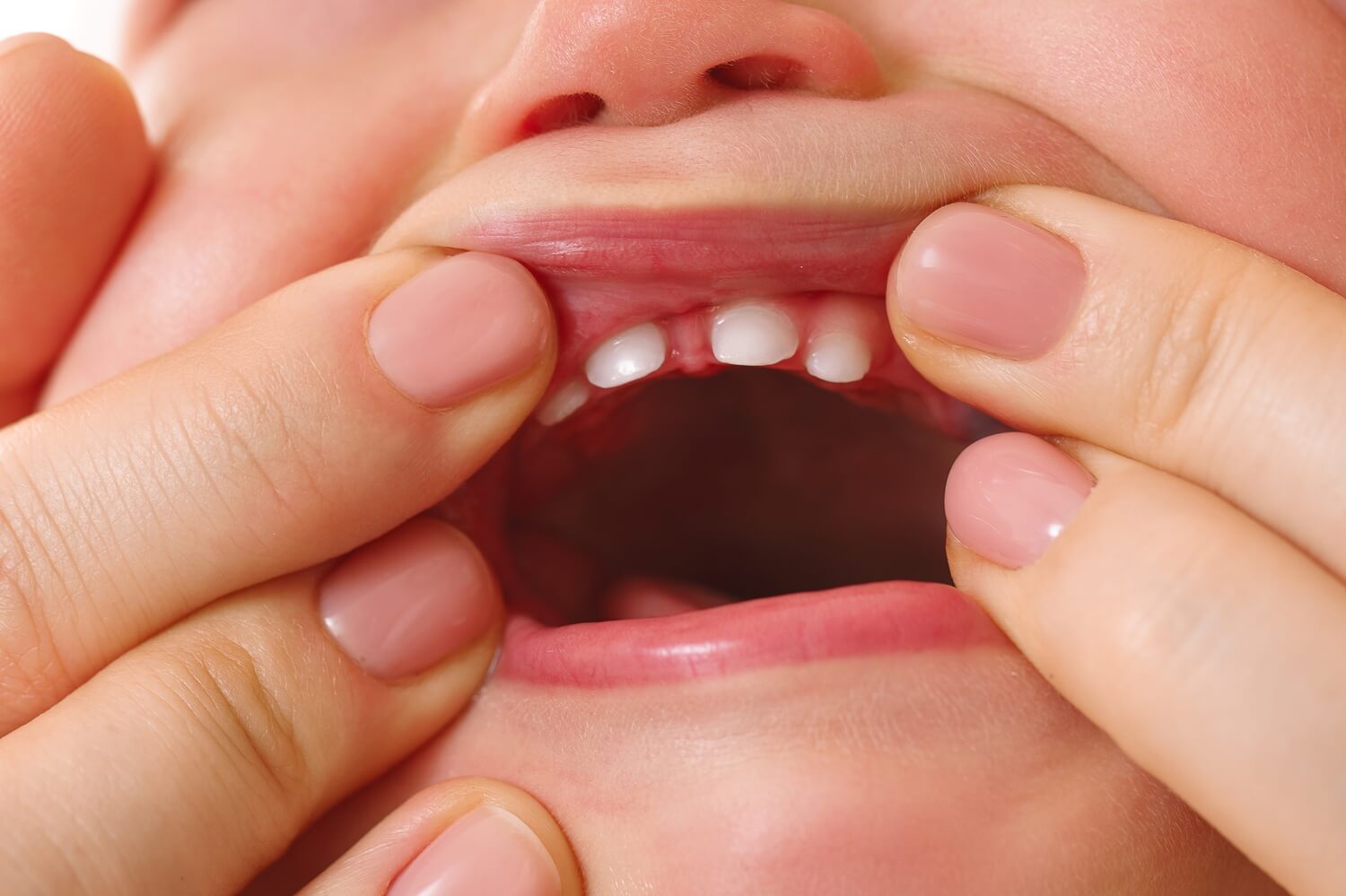
- Have a look at your child’s teeth, gums, and bite, usually while they’re sitting on your lap
- Check for early signs of decay or developmental concerns
- Show you how to brush your child’s teeth effectively
- Talk through diet, fluoride, dummies, and thumb-sucking if relevant
- Answer any questions you have as a parent
The visit is designed to make you and your child feel positive about going to the dentist, not clinical. If your child is not keen to open wide on the first try, that’s completely normal. Sometimes the win is simply getting them comfortable in the chair.
Why Baby Teeth Matter More Than People Realise
It’s a common myth that baby teeth don’t really count because they fall out anyway. In reality, primary teeth play a significant role in your child’s development:
- Chewing and nutrition — healthy baby teeth help children eat a varied diet as they grow.
- Speech development — front teeth, in particular, help with forming sounds clearly.
- Guiding adult teeth — baby teeth hold space for the permanent teeth coming through underneath. Losing them too early to decay can affect how adult teeth come in.
- Confidence — children notice their smiles too, especially once they reach school age.
Looking after baby teeth isn’t just about what’s happening now, but about setting up a healthier adult mouth down the track. Our children’s dentistry team is here to help families in Sunbury build that foundation.
How to Brush Toddler Teeth (Without the Battle)
Brushing a toddler’s teeth can feel like a tiny daily negotiation. A few practical pointers can make it easier:
- Start as soon as the first tooth appears. A soft infant toothbrush or a clean cloth works well early on.
- Use the right amount of toothpaste. For children under 18 months, a clean brush without toothpaste is generally recommended (unless your dentist advises otherwise). From 18 months to 6 years, a smear or pea-sized amount of low-fluoride children’s toothpaste is typical.
- Brush twice a day. Once in the morning and once before bed.
- Help them until they can do it well themselves. Most children need help brushing until around age 7 or 8.
- Make it a routine, not a battle. Songs, timers, or letting them hold a brush while you do the real brushing can all help.
If you notice white or brown spots on your child’s teeth, persistent bad breath, or sensitivity to hot or cold, it’s worth booking a check-up rather than waiting.
The Child Dental Benefits Schedule (CDBS) Explained
The Child Dental Benefits Schedule is an Australian government program that helps cover the cost of basic dental services for eligible children. In simple terms, it can mean a meaningful portion of your child’s routine dental care is bulk-billed or substantially subsidised.
Here’s what’s helpful to know:
- Eligibility is generally based on the child’s age (typically 0 to 17) and your family receiving certain government payments. Eligibility is assessed by Services Australia.
- What’s covered typically includes examinations, X-rays, cleans, fluoride applications, fissure sealants, fillings, root canals, and extractions. Orthodontics and cosmetic dental work aren’t included.
- How it works in practice — eligible children have a benefit cap that applies over a two-calendar-year period. Your dentist can check your child’s eligibility and balance directly through Medicare.
To confirm whether your child is eligible and what’s currently covered, the most reliable source is Services Australia’s CDBS page.
Set Your Child Up for a Confident Smile
Children’s dental care doesn’t have to be complicated, and it certainly doesn’t have to be stressful. With the right routine at home, regular visits, and a friendly dental team your child feels comfortable with, you’re giving them the best possible start.
If you’re a Sunbury family looking for a warm, gentle approach to children’s dentistry, or you’d like to check whether your child is eligible for the CDBS, get in touch with Vineyard Dental Clinic Sunbury today. Our team is here to make every visit a positive one, from your child’s very first appointment onwards.
Schedule your appointment with us to help you and your child have better oral health from the start.
Frequently Asked Questions
When should my child first see a dentist?
The general recommendation in Australia is by your child’s first birthday, or within six months of their first tooth coming through. Early visits are short and gentle, and they help your child get comfortable with the dental setting from a young age.
Is the Child Dental Benefits Schedule really free dental care for children?
The CDBS provides a benefit amount over a two-year period for eligible children, which covers a range of basic dental services. Many dental practices bulk bill within the schedule, which means there’s no out-of-pocket cost for covered treatment.
However, the schedule has a benefit cap and doesn’t include things like orthodontics or cosmetic work. Eligibility is determined by Services Australia.
How do I brush my toddler’s teeth correctly?
Use a soft, small-headed toothbrush and brush twice a day. For children under 18 months, a clean brush is usually enough. From 18 months to 6 years, a smear or pea-sized amount of low-fluoride children’s toothpaste is typical.
Most children need help brushing until around age 7 or 8.
How often should kids go to the dentist?
Most children benefit from a check-up every 6 to 12 months, but your dentist may recommend a different interval based on your child’s individual risk of decay, diet, and oral hygiene. Regular visits help catch small issues before they become bigger ones.
What if my child is scared of the dentist?
Dental anxiety is common in children, and there are gentle ways to ease it. A short introductory visit, familiar routines, and a calm, friendly dental team can all help.
Letting your child meet the team before any treatment is needed often makes future appointments feel far less daunting.
Do baby teeth need fillings if they’re going to fall out anyway?
In many cases, yes. Untreated decay in baby teeth can cause pain, infection, and problems for the adult teeth developing underneath. Your dentist will weigh up factors like the size of the cavity, how close the tooth is to falling out naturally, and your child’s overall comfort when recommending treatment.