When a tooth is cracked, loose or throbbing, it’s hard to think straight. Feeling a mix of pain and panic is completely understandable. If you’re wondering what to do in a dental emergency, a calm plan can help.
This guide walks you through five steps, from checking for danger signs to finding help after hours. You’ll also find first aid tips to protect your tooth until you reach a dentist in Sunbury.
What Counts as a Dental Emergency?
A dental emergency is an urgent problem with your teeth, gums or mouth. It can come from an injury, an infection or severe pain. Common examples include:
- Severe toothache or ongoing dental pain
- A knocked-out tooth
- A broken, chipped or cracked tooth
- A lost filling or crown that causes discomfort
- An injury to your gums, tongue or other soft tissues
- Swelling or other signs of infection
A dentist can tell you how urgent your problem is. If you’re unsure, call us and our team can help you work out the next step. Our guide on what is considered a dental emergency goes into more detail.
Step 1: Check for Danger Signs First
Some problems need a hospital before a dentist. Call triple zero (000) or go straight to an emergency department if you have:
- Trouble breathing
- Trouble talking or swallowing
- A lot of blood going down your throat
- A very swollen mouth or tongue
Healthdirect also advises urgent medical care for heavy bleeding in the mouth, because it could block your airway. If none apply, move on to step two.
Step 2: Call Vineyard Dental Clinic in Sunbury
Next, phone our team on (03) 9740 2048. We’ll listen to your symptoms and talk you through what to do. If you need urgent dental care, we’ll work with you to find a suitable time. You can also read more about emergency dental care at our Sunbury clinic.
Having these details ready helps our team advise you:
- What happened, and when it happened
- Where it hurts and how strong the pain feels
- Any bleeding, swelling or fever
- Any lost tooth or broken piece
- Anything you’ve taken for the pain
- Your medicines and health conditions
Step 3: Give First Aid While You Wait
Here’s what to do in a dental emergency while you wait for care. These steps may protect your mouth, but they don’t replace a dental check.
Knocked-Out Adult Tooth
Healthdirect suggests aiming to reach a dentist or hospital within 30 minutes. It may still be possible to save the tooth up to two hours after the injury. Follow these steps:
- Find the tooth and pick it up by the crown, which is the white part you normally see.
- Avoid touching the root, because the cells on it are needed for healing.
- If the tooth is dirty, rinse it briefly in warm water. Don’t scrub it or soak it.
- Try to place it gently back in the gap and bite softly on a clean cloth.
- If you can’t put it back, keep it in a little milk or saliva so it doesn’t dry out.
- Call us straight away and ask for an urgent appointment.
Baby Tooth Knocked Out
If a child’s baby tooth comes out after a fall, don’t put it back in. Rinse their mouth with salt water, and use an ice pack if it’s swollen. Then book a visit with our children’s dentistry team.
Broken or Chipped Tooth
If a piece breaks off, keep it in milk or sterile saline (a salt solution) and bring it along. A cold compress against your cheek can help with swelling. Treatment depends on the injury, and in some cases a dentist may suggest a crown.
Bleeding in the Mouth
Press a clean towel or dressing against the area to help stop the bleeding. If the bleeding is heavy, seek urgent medical care.
Toothache and Swelling
Toothache can feel overwhelming, especially at night. Until you can see a dentist, these tips may ease things a little:
- Rest with your head propped up on a pillow, since lying flat can sometimes make the pain feel worse.
- Gargle with salt water for a mild toothache, and don’t swallow it.
- Hold a cold compress against your cheek, such as an ice pack wrapped in a cloth.
If the pain is severe or your face is swelling, call us for advice. Our post on unbearable tooth pain has more home relief tips and signs that need urgent care.
Lost Filling or Crown
A lost filling or crown can leave the tooth sensitive and, if left, may lead to discomfort or other problems. Call us so we can advise on timing. Our dental crowns and bridges page explains how crowns work.
Step 4: What to Expect at Your Emergency Visit
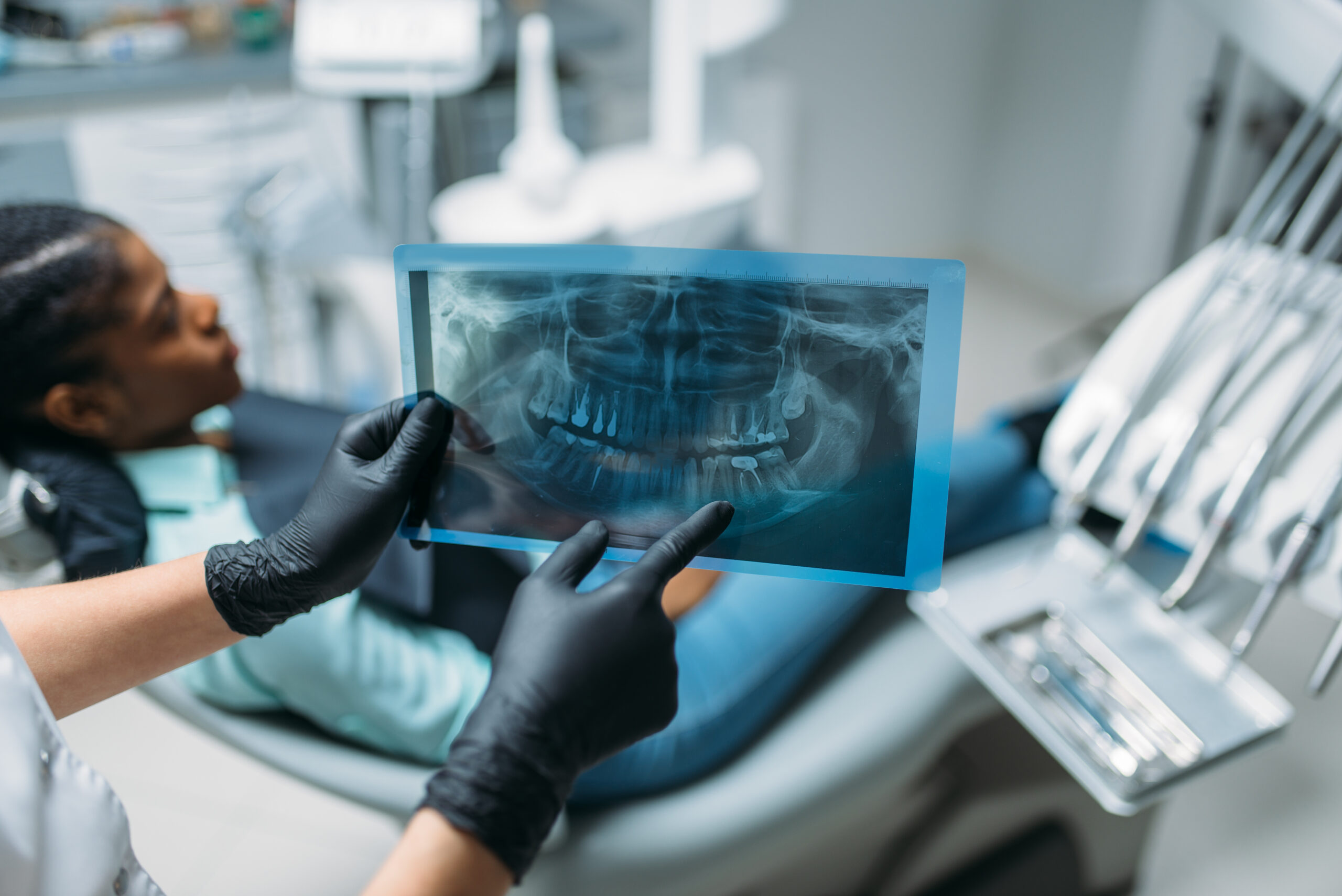
At your visit, your dentist will ask about your symptoms and medical history, then examine the area. They may take X-rays if needed to support a diagnosis. After that, they’ll explain what they’ve found and talk through your options.
If treatment may cause discomfort, we use local anaesthetic where appropriate to numb the area. Your dentist will also give you tailored aftercare advice, including pain relief, mouth care and when to seek more help. Costs vary depending on your individual treatment needs.
Related: How Much Does an Emergency Dentist Cost in Australia?
Step 5: Know Your After-Hours Options
Emergencies don’t always wait for opening hours. If you call us after hours, follow the after-hours instructions to reach our emergency contact provider. If you have severe pain or facial swelling and can’t reach dental care quickly, consider your local hospital emergency department.
Healthdirect lists other helpful numbers. NURSE-ON-CALL is on 1800 022 222, with a registered nurse available 24 hours a day, 7 days a week.
Keep This Plan Handy
Knowing what to do in a dental emergency means you don’t have to work it out alone. Check for danger signs, call for advice, look after the tooth and get it checked. Acting early may help save a damaged tooth.
If you’re facing an emergency dentist in Sunbury, call Vineyard Dental Sunbury on (03) 9740 2048. Our friendly team will advise on next steps and arrange an appointment where needed. We welcome patients from Sunbury, Gisborne and nearby areas at 2–6 Sussex Court, Sunbury VIC 3429.
Frequently Asked Questions
Is a Toothache a Dental Emergency?
Not every toothache is an emergency, but it shouldn’t be ignored. Healthdirect advises seeing a dentist if a toothache or swelling lasts more than two days. Severe pain may need quicker dental care. If you also have a fever over 38°C, or trouble breathing or swallowing, see a doctor. When you’re unsure, call our Sunbury team and describe your symptoms.
What Can I Take for Toothache Before I See a Dentist?
Ask your doctor or pharmacist about pain-relief medicines, such as paracetamol or ibuprofen, and follow the instructions on the packet. Healthdirect says clove oil and gargling aspirin aren’t recommended. Pain relief may ease symptoms for a while. Treating the cause of your toothache will also help relieve the pain. That’s why a dentist still needs to find out why your tooth hurts.
Will Emergency Dental Treatment Hurt?
Our team takes every step to support your comfort. Where treatment may cause discomfort, we use local anaesthetic where appropriate so the area is numb. Your dentist will explain what to expect and talk through pain management options before treatment begins. If you feel anxious, let our team know when you call.
How Much Does an Emergency Dentist Visit Cost?
Costs depend on the treatment you need, so we can’t give a single figure. Your dentist will talk through your options and costs clearly at your appointment. Our payment options page explains health fund claims and finance options.
Our guide to emergency dentist costs in Australia also covers general cost factors.
Where Can I Find an Emergency Dentist in Sunbury?
Vineyard Dental Clinic is at 2–6 Sussex Court, Sunbury VIC 3429. Call (03) 9740 2048, and our team will listen to your symptoms and advise on next steps. We welcome patients from Gisborne and the surrounding area too. If you’re unsure whether your problem is an emergency, ask us.
Why Do I Still Need a Dentist if My Injured Tooth Feels Fine?
You might not be able to see all the damage after a mouth injury. Healthdirect notes there is also a risk of infection afterwards. An adult tooth that’s put back has a high chance of needing root canal treatment later. This treatment removes damaged tissue from inside the tooth. A dentist can check for these issues early.
How Can I Lower My Chance of a Dental Emergency?
A custom-made mouthguard can help protect your teeth during sport and other risky activities. Avoid using your teeth to open items. Regular brushing, flossing and check-ups and cleans also help you look after your teeth and gums.