If you’ve been thinking about straightening your teeth but are not keen on the idea of metal braces, you’ve probably come across clear aligners. They have become an increasingly popular teeth alignment treatment option for adults and older teens across Australia, and it’s easy to see why.
But what do clear aligners actually do, and how do they work?
This article breaks it all down so you can go into any conversation with your dentist feeling well-informed.
What Are Clear Aligners?
Clear aligners are a type of removable orthodontic appliance used to straighten teeth and correct certain bite issues. They are made from a smooth, transparent plastic material and are custom-fitted to your teeth, making them virtually invisible when worn.
Unlike traditional fixed braces, clear aligners are removable, meaning you can take them out to eat, drink, and clean your teeth. Each set of aligners is worn for a set period before being swapped for the next in the series, gradually guiding your teeth into their correct positions over time.
At Vineyard Dental Sunbury, we offer clear aligners treatment as part of our cosmetic and orthodontic services.
How Do Clear Aligners Work?
Clear aligners work by applying gentle, consistent pressure to specific teeth at each stage of treatment. That means each set of aligners is slightly different from the last.
They are designed to move your teeth a small amount at a time, following a carefully mapped treatment plan created by your dentist.
The process typically works like this:
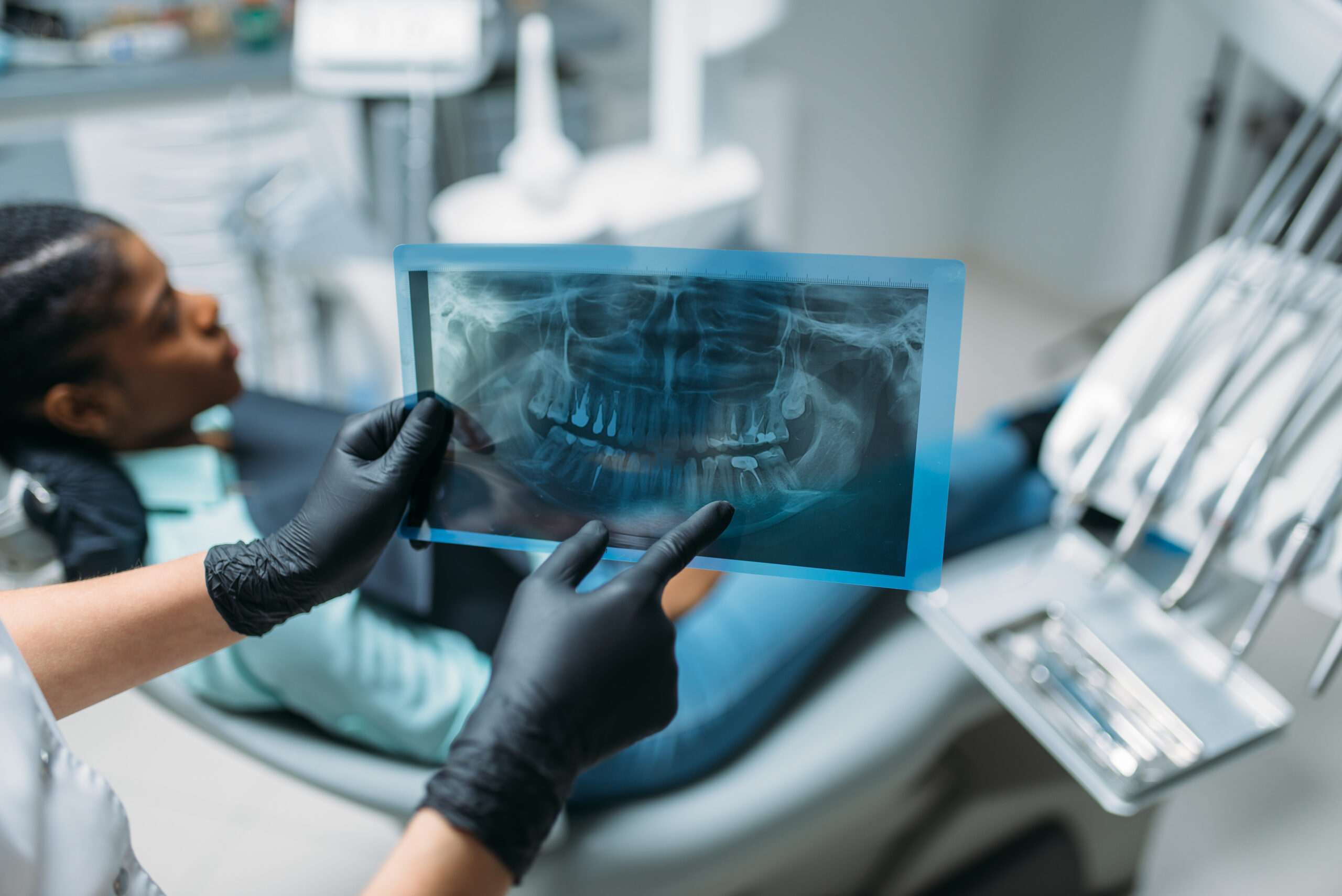
- Assessment and planning — your dentist uses digital scans or impressions to create a 3D model of your teeth and map out exactly how they need to move throughout treatment.
- Custom aligner fabrication — your full series of aligners is created based on your personalised treatment plan.
- Wearing your aligners — each set is worn for approximately one to two weeks before progressing to the next, for 20 to 22 hours per day.
- Progress reviews — your dentist monitors your progress at regular intervals to ensure your teeth are moving as planned.
- Retention — once treatment is complete, retainers are worn to maintain your results.
What Can Clear Aligners Treat?
Clear aligners are well-suited to treating a range of mild to moderate orthodontic concerns, including:
- Crowding — where teeth overlap or are pushed out of position due to insufficient space in the jaw
- Spacing — gaps between teeth caused by missing teeth or natural spacing
- Mild overbite or underbite — where the upper or lower teeth extend too far forward or backward
- Crossbite — where some upper teeth sit inside the lower teeth when biting
- Open bite — where the upper and lower front teeth don’t meet when the mouth is closed
Clear aligners for mild to moderate crowding and spacing issues tend to produce very good results. For more complex orthodontic cases, your dentist will advise whether clear aligners are sufficient or whether an alternative approach may be more appropriate.
Clear Aligners Benefits
There are several reasons why patients choose clear aligners treatment over other orthodontic options:
- Virtually invisible — the transparent material makes them difficult to notice, which is a significant advantage for adults who prefer a discreet option
- Removable — unlike fixed braces, you can remove aligners for meals and oral hygiene, making it easier to maintain good dental health throughout treatment
- Comfortable — the smooth plastic edges are generally more comfortable against the gums and cheeks than metal brackets and wires
- Predictable — digital treatment planning allows both you and your dentist to see the projected outcome before treatment even begins
- Fewer emergency appointments — without wires or brackets to break or come loose, clear aligners typically involve fewer unexpected visits to the clinic
Clear Aligners vs Braces: Which Is Better?
When comparing clear aligners vs braces, neither option is universally better because it comes down to your individual situation. Here’s a quick overview:
- Visibility — clear aligners are far less noticeable than traditional metal braces
- Suitability — braces may be more effective for complex cases involving significant bite correction or severe crowding
- Compliance — clear aligners require discipline to wear consistently; braces are fixed and work around the clock, regardless
- Maintenance — aligners are easier to clean around, while braces require more careful brushing and flossing technique
- Cost — both options vary in cost depending on the complexity of treatment; your dentist can provide a personalised estimate
It’s also worth knowing that if you’ve already been through orthodontic treatment in the past, clear aligners can be a great option for addressing minor relapse.
Our article on how Invisalign works covers one of the most well-known clear aligner systems in more detail.
Are Clear Aligners Right for You?
Clear aligners are a great fit for many patients, but they are not the right solution for every situation. The best way to find out is to book a consultation with a dentist who can assess your teeth, discuss your goals, and recommend the most appropriate treatment path for you.
If you have concerns about dental visits, our guide on managing dental anxiety has some practical strategies that may help you feel more at ease before your appointment.
A Straighter Smile Helps in the Long Term
Clear aligners have made orthodontic treatment more accessible, more comfortable, and more discreet than ever before. Whether you’ve been thinking about it for a while or you’re just starting to explore your options, there’s no better time to find out what’s possible for your smile.
If you want to know if clear aligners are the appropriate option for you, the team at Vineyard Dental Sunbury is here to walk you through everything about your oral health.
Book your consultation with our team today to discuss your alignment options in detail.
Frequently Asked Questions
What do clear aligners do?
Clear aligners gradually move your teeth into their correct positions by applying gentle, consistent pressure through a series of custom-made, removable plastic trays. Each set of aligners shifts your teeth a small amount at a time, following a personalised treatment plan mapped out by your dentist.
How long does clear aligner treatment take?
Treatment length varies depending on the complexity of your case. Most patients complete clear aligner treatment within 6 to 18 months. Your dentist will give you a more accurate estimate once your treatment plan has been assessed.
Are clear aligners as effective as braces?
For mild to moderate crowding, spacing, and certain bite issues, clear aligners can be highly effective. For more complex orthodontic cases, traditional braces may be more suitable. Your dentist is best placed to advise which option will achieve the results you’re after.
Can I eat and drink with clear aligners in?
You should remove your aligners before eating or drinking anything other than plain water. Food and coloured drinks can stain the aligners and potentially damage them. Always brush your teeth before putting them back in.
How often do I need to wear my clear aligners?
For best results, clear aligners should be worn for 20 to 22 hours per day. Wearing them for fewer hours than recommended can slow your progress and extend your overall treatment time.
What happens after clear aligner treatment is complete?
Once treatment is finished, you’ll need to wear retainers to maintain your results. Teeth have a natural tendency to shift back over time, so consistent retainer wear is an important part of protecting the outcome of your treatment.