Have you ever lost a tooth? It can be a bit of a shock, and you might feel a little self-conscious about the gap. It’s not just about how it looks, though. That missing tooth can affect how you chew, how you speak, and even the health of your other teeth.
If you have a missing tooth, you’ve probably heard of a few options to fix it. One of the most common and reliable solutions is called a dental bridge. This blog post will explain everything you need to know about dental bridges in a very simple way. We’ll talk about what they are, the different types, how they can help you, and what the process of getting one is like.
By the end, you’ll have a clear understanding of whether a dental bridge might be the right choice for you.
What is a Dental Bridge and Why is it Used?
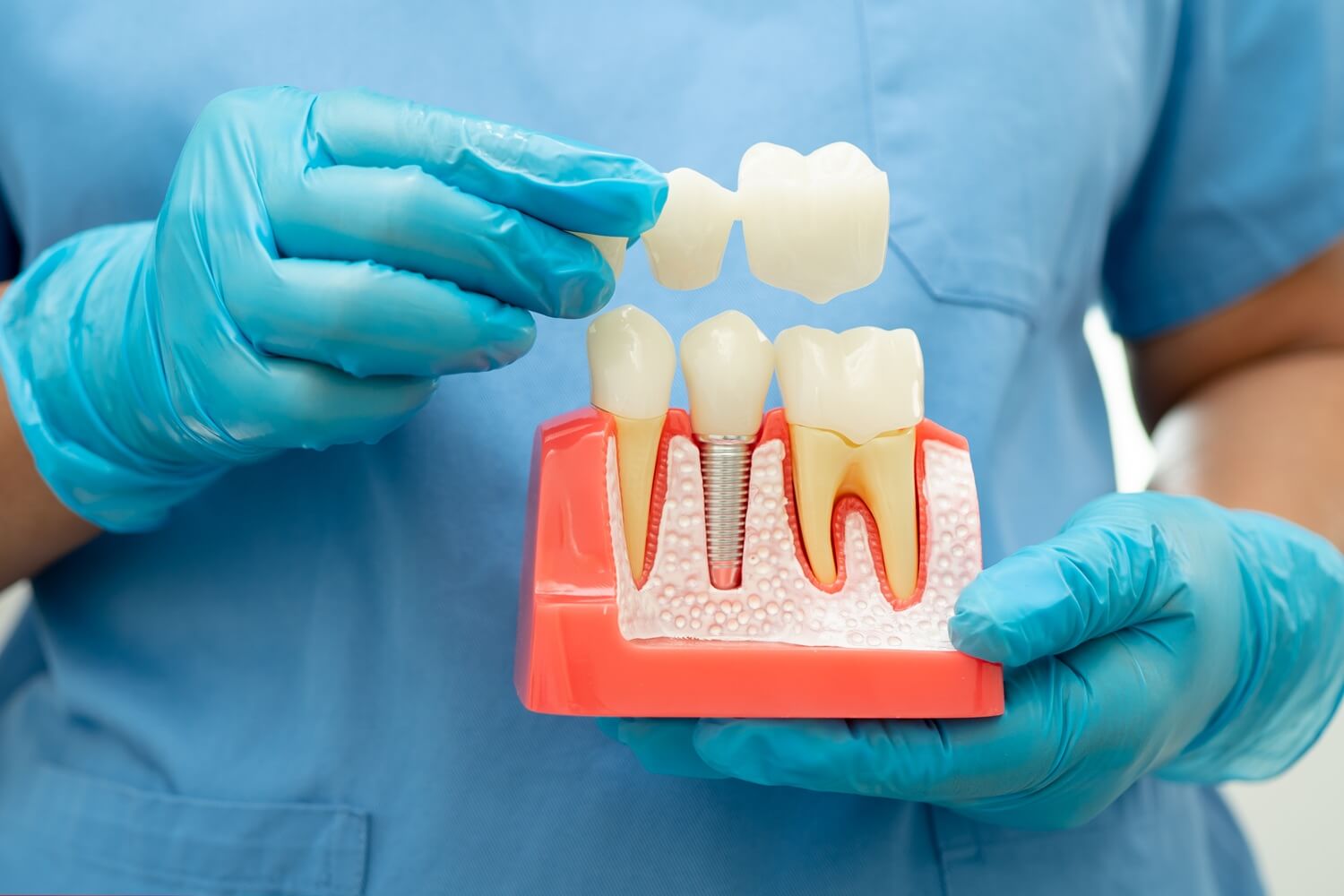
Imagine a bridge that goes over a river. A dental bridge works in a very similar way. It’s a false tooth, or a row of false teeth, that “bridges” the gap created by one or more missing teeth. It’s held in place by your natural teeth on either side of the gap.
Think of it like this: The two teeth on either side of the missing tooth are called “abutment” teeth. They act like the pillars of a bridge. The false tooth in the middle, which fills the gap, is called a “pontic.” The pontic is a custom-made tooth that looks just like your natural teeth.
So, why would you need a dental bridge?
- To restore your smile: A missing tooth can make you feel self-conscious. A bridge fills that gap, giving you a complete and confident smile.
- To restore your ability to chew and speak: Missing teeth can make it difficult to chew certain foods and can even change the way you speak. A bridge helps bring back these important functions.
- To maintain the shape of your face: When you lose teeth, the structure of your jaw can change over time, which can alter the shape of your face. A bridge helps to support your facial structure.
- To prevent other teeth from shifting: The teeth on either side of the gap can start to drift or tilt into the empty space. This can cause problems with your bite and lead to more dental issues. A bridge holds everything in place.
In short, a dental bridge is a great way to replace missing teeth, improving both the look and function of your mouth.
Types of Dental Bridges
Not all dental bridges are the same. The dentist, like dentists Gisborne VIC, will help you decide which type is best for you based on where the missing tooth is, the condition of your other teeth, and your personal preferences. The main types are:
- Traditional Bridges: This is the most common type of dental bridge. It’s used when you have natural teeth on both sides of the gap. The abutment teeth are filed down and prepared to hold crowns. The bridge, which includes the pontic and the crowns, is then cemented onto these prepared teeth. It’s a very strong and reliable option.
- Cantilever Bridges: This type of bridge is used when you only have a natural tooth on one side of the gap. The pontic is held in place by a crown on just one abutment tooth. This isn’t as common as a traditional bridge and isn’t recommended for the back of the mouth, as the pressure from chewing could damage the abutment tooth.
- Maryland Bridges: A Maryland bridge is a more conservative option. It doesn’t require the abutment teeth to be filed down. Instead, the pontic is held in place by a metal or porcelain “wing” that is bonded to the back of the two adjacent teeth. This is often used for front teeth, where the biting forces are not as strong.
- Implant-Supported Bridges: As the name suggests, this type of bridge is supported by dental implants instead of natural teeth. If you have more than one missing tooth and don’t have strong natural teeth to support a traditional bridge, the dentist might suggest this. An implant-supported bridge is a very strong and durable solution that doesn’t put any stress on your natural teeth.
The Benefits of Getting a Dental Bridge
There are many great reasons to choose a dental bridge to replace a missing tooth.
- Improved Appearance: Getting a dental bridge can completely transform your smile. The new tooth is custom-made to match the colour and shape of your existing teeth, so no one will be able to tell the difference.
- Restored Function: You’ll be able to chew your food properly again, which is good for your digestion. Your speech will also return to normal, and you’ll feel more confident in social situations.
- Prevents Teeth from Shifting: A bridge acts as a retainer, keeping your surrounding teeth in their correct positions. This prevents future alignment problems and maintains a healthy bite.
- A Relatively Quick and Simple Procedure: Compared to some other tooth replacement options, getting a dental bridge is a straightforward process. It usually only takes a couple of appointments to complete.
- Durability: With proper care, a dental bridge can last for many years. It’s a long-term solution that provides excellent value.
- Non-Surgical Option: A traditional dental bridge doesn’t require any surgery. This is a big advantage for people who may not be suitable for dental implants.
The Dental Bridge Procedure
Getting a dental bridge usually involves two appointments. Here’s a simple breakdown of what to expect:
First Appointment
- Preparation: The dentist will first numb the area to make sure you’re comfortable. For a traditional bridge, the abutment teeth on either side of the gap will be carefully shaped and filed down. This creates space for the crowns that will hold the bridge.
- Impressions: The dentist will take a digital scan or a physical impression of your teeth. This impression is sent to a dental lab where a custom bridge will be made to perfectly fit your mouth.
- Temporary Bridge: While your permanent bridge is being made, the dentist will place a temporary bridge. This protects the prepared teeth and fills the gap, so you don’t have to walk around with a missing tooth.
Second Appointment
- Fitting the Bridge: Once your permanent bridge is ready (this usually takes a couple of weeks), you’ll come back for your second appointment.
- Checking the Fit: The dentist will carefully remove the temporary bridge and check the new one for fit, colour, and comfort. They will make any necessary adjustments to ensure it looks and feels perfect.
- Cementing the Bridge: Once you and the dentist are happy with the fit, the bridge will be permanently cemented onto your abutment teeth.
That’s it! You’ll walk out of the dentist’s office with a brand new, complete smile.
What to Expect After Getting a Dental Bridge
After your bridge is in place, you might feel a little bit of soreness or sensitivity for a day or two. This is completely normal and should go away quickly. Your mouth might need a little time to get used to the new feel of the bridge, but soon enough, it will feel just like your natural teeth.
You should be able to eat and speak normally. It’s a good idea to start with softer foods for a day or two and then gradually return to your regular diet.
How to Care for Your Dental Bridge
Caring for a dental bridge is a lot like caring for your natural teeth. Good oral hygiene is crucial for ensuring your bridge lasts a long time.
- Brush twice a day: Use a soft-bristled toothbrush and a good fluoride toothpaste. Pay extra attention to the areas around the bridge to prevent plaque buildup.
- Floss daily: You’ll need to use a special tool called a floss threader or a super floss to clean under the pontic (the false tooth). The dentist can show you exactly how to do this. This is very important to prevent gum disease and decay in the supporting teeth.
- Regular Dental Check-ups: Make sure you visit the dentist for regular check-ups and cleanings. They can ensure your bridge is in good condition and professionally clean it. If you’re looking for a good dentist, consider a dentist like dentist Sunbury.
How Long Does a Dental Bridge Last?
With proper care, a dental bridge can last for a long time. On average, most bridges last between 5 and 15 years, but it’s not uncommon for them to last 20 years or more. The lifespan of your bridge depends on a few things:
- Good Oral Hygiene: As mentioned, this is the most important factor.
- Diet: Avoid chewing on hard foods, ice, or other non-food items that could damage the bridge.
- Regular Dental Visits: The dentist can spot any issues early on and address them before they become a big problem.
- The Health of Your Abutment Teeth: The longevity of the bridge depends on the health and strength of the teeth holding it in place.
Alternatives to Dental Bridges (Dentures, Implants)
While a dental bridge is a fantastic option, it’s not the only one. The dentist will discuss all the options with you, including:
- Dental Implants: An implant is a small titanium post that is surgically placed into your jawbone. A crown is then placed on top of the implant. Implants are considered the most permanent and natural-feeling solution for a missing tooth. They are a great choice if you only have one missing tooth. Unlike a bridge, an implant doesn’t require any work on the surrounding teeth. This is a key difference in the dental bridge vs implant debate.
- Removable Partial Dentures: These are false teeth attached to a pink plastic base that rests on your gums. They are a more affordable option but must be removed for cleaning and can sometimes feel less stable than a bridge or implant.
Conclusion
Losing a tooth doesn’t have to mean living with a gap in your smile. A dental bridge is a reliable, durable, and aesthetically pleasing solution that can restore your confidence, your ability to chew, and the overall health of your mouth.
If you have a missing tooth and think a dental bridge might be right for you, the first step is to talk to a professional. A dentist can assess your situation, explain all your options, and help you decide on the best treatment plan.
Experience the Vineyard Dental Difference
If you are in the Sunbury or Gisborne area, don’t hesitate to contact our local dentist at Vineyard Dental. A consultation is the best way to get all your questions answered and take the first step towards a complete and healthy smile.